 Quorithan Zyraxul
Entertainment-focused cities are built on visibility, movement, and constant stimulation, yet within these environments there is a growing demand for spaces that offer calm, privacy, and restraint. High-profile destinations known for nightlife and spectacle increasingly cater to clients who seek refined environments away from public attention. In cities like Las Vegas, this ecosystem includes private lounges, exclusive residences, invitation-only venues, and complementary lifestyle services such as escorts las vegas, all operating within a framework where discretion is essential. These spaces are not designed to impress through scale or excess, but through comfort, and the ability to exist quietly within high-energy urban settings.
Why discretion defines modern luxury in entertainment capitals
In cities driven by tourism, nightlife, and events, luxury has shifted away from overt display toward privacy and subtlety. Affluent residents and visitors often spend their days in highly visible environments, making discreet spaces an essential counterbalance. These environments provide a sense of separation from crowds, media exposure, and constant social interaction. Rather than showcasing wealth, modern luxury in entertainment capitals emphasizes emotional comfort, trust, and exclusivity. This shift reflects broader cultural changes, where true luxury is increasingly defined by access, privacy, and the ability to disengage from public life without leaving the city itself.
Privacy as a core design principle
Discretion begins at the design level. Architects and designers prioritize layouts that control movement, visibility, and sound while maintaining a seamless experience. Privacy is not added after the fact but integrated into the spatial logic from the beginning.
Key design elements often include:
• Layered entry points that limit direct exposure
• Sound-insulated walls and ceilings
• Thoughtful spatial zoning between public and private areas
• Circulation paths that avoid unnecessary overlap
These elements allow guests to move comfortably without drawing attention.
Exclusivity without visibility
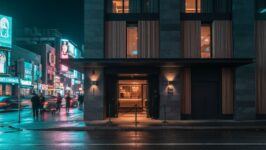
Discreet luxury does not rely on signage or branding. Instead, exclusivity is communicated through subtle cues and controlled access. Hidden entrances, appointment-only access, and unmarked locations create an atmosphere of quiet distinction. Guests recognize exclusivity not through spectacle but through the absence of it. This approach appeals to individuals who value anonymity as much as quality, reinforcing the idea that luxury does not need to announce itself to be felt.
Design elements that create discreet luxury environments
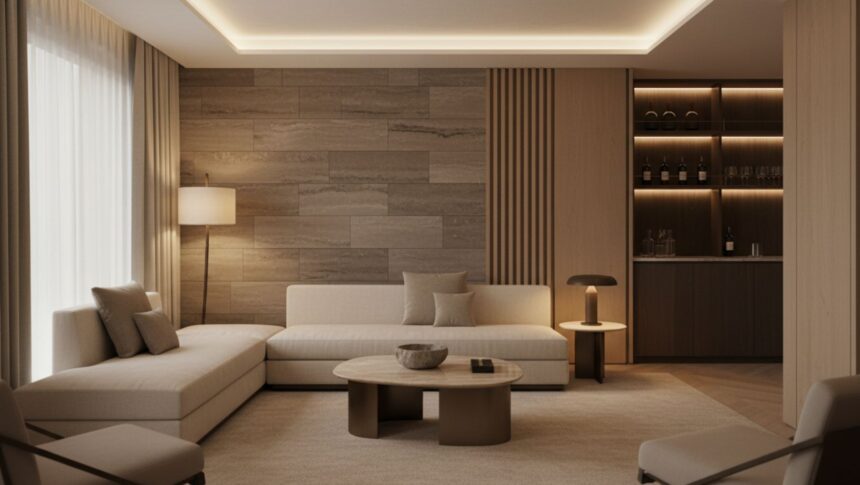
The sensory experience within discreet luxury spaces is carefully curated. Designers focus on balance, texture, and atmosphere rather than dramatic visual statements. Materials are selected for how they feel and age rather than how they photograph. Lighting is layered and restrained, supporting comfort and intimacy rather than brightness. These choices create environments that feel grounded and composed, offering relief from the intensity of entertainment-driven cities.
Materials textures and lighting choices
Material selection plays a central role in shaping discreet luxury. Natural finishes and muted tones dominate, creating warmth without distraction. Lighting is designed to guide mood rather than command attention.
Common choices include:
• Stone, wood, and soft textiles
• Matte finishes that reduce reflection
• Indirect lighting integrated into architecture
• Adjustable light levels for different times of day
Together, these elements foster a calm, controlled environment that feels private and intentional.
Technology and spatial planning in discreet luxury spaces
Technology supports discretion when it remains invisible. In entertainment-focused cities, where adaptability is key, smart systems allow spaces to respond to individual preferences without manual intervention.
Access control, environmental regulation, and acoustic management are seamlessly integrated into design, enhancing comfort while preserving anonymity. Technology becomes an enabler rather than a focal point, supporting privacy through efficiency and automation.
Smart systems supporting comfort and anonymity
Advanced systems help maintain a discreet atmosphere while improving user experience. Automation reduces the need for staff interaction, while personalized controls allow guests to shape their environment independently.
Typical features include:
• Private access and scheduling systems
• Automated lighting and climate control
• Sound masking and acoustic optimization
• Minimalist interfaces hidden within the design
These systems ensure that luxury feels effortless and unobtrusive.
The future of discreet luxury in entertainment-driven cities
As entertainment cities continue to evolve, discreet luxury will become more personalized and experience-driven. Clients increasingly seek environments that reflect individual preferences rather than standardized notions of luxury. Designers respond by creating adaptable spaces that balance privacy, sustainability, and emotional comfort. Cultural shifts toward low-profile living reinforce this trend, positioning discretion as a defining characteristic of future luxury environments.
From hidden spaces to personalized luxury experiences
The next generation of discreet luxury spaces will focus on customization and long-term comfort rather than novelty.
Emerging trends include:
• Highly personalized spatial configurations
• Flexible environments that adapt to different uses
• Increased emphasis on wellness and sensory balance
• Sustainable materials aligned with understated design
These developments reflect a refined understanding of luxury as something experienced rather than displayed.
Conclusion
Discreet luxury spaces play a vital role in entertainment-focused cities by offering balance within environments defined by constant visibility and activity. Through thoughtful design, controlled access, and subtle use of technology, these spaces provide privacy, comfort, and exclusivity without spectacle. As expectations around luxury continue to shift, discretion will remain central to how high-end environments are conceived, ensuring that true luxury is found not in attention, but in intention.