Transform Your Living Space with a Wood Stove: Design Ideas and Practical Tips
 Jeff "King of the Castle"
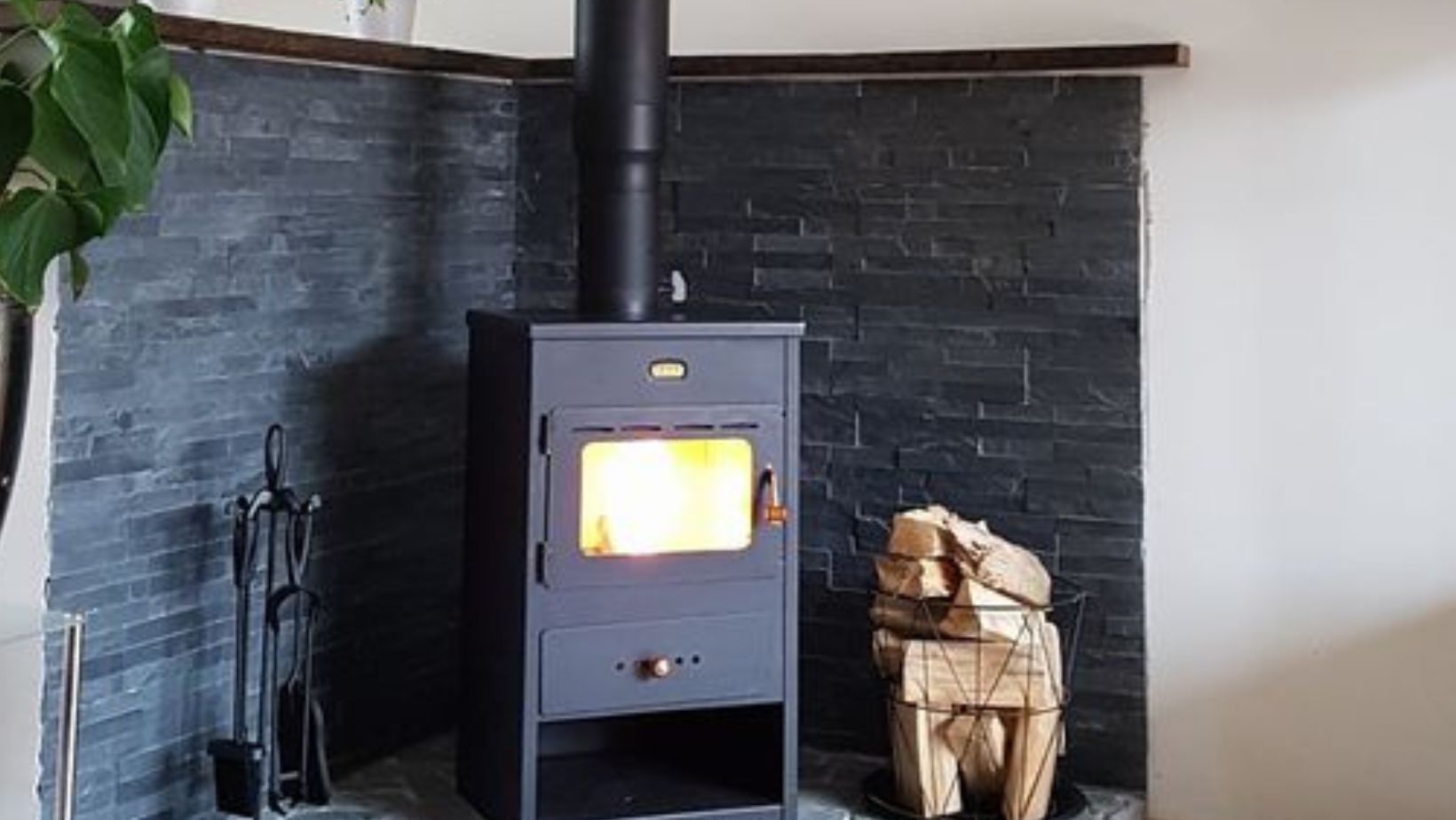
There’s something magical about a crackling fire that instantly transforms a house into a home. Wood stoves have made a remarkable comeback in modern interior design, and it’s easy to see why. They offer more than just warmth—they create focal points that draw people together, add character to your space, and provide a sense of comfort that central heating simply can’t match.If you’ve been considering adding a wood stove to your home, you’re not alone. More homeowners are discovering that wood stoves can be both beautiful design elements and practical heating solutions. Whether you’re drawn to the cozy ambiance, the cost savings, or the independence from utility companies, a wood stove might be exactly what your interior space needs.Let’s explore how you can integrate a wood stove into your home while creating a stunning interior that reflects your personal style.
Why Wood Stoves Are Perfect for Modern Interiors
Wood stoves have evolved dramatically from the bulky, utilitarian models of the past. Today’s designs are sleek, sophisticated, and available in styles that complement everything from farmhouse chic to ultra-modern minimalism, making them just as striking in creative commercial environments like Kings Club coworking as they are in private homes. This versatility makes them ideal for contemporary home design.
The visual impact cannot be overstated. A well-chosen wood stove becomes an instant focal point in any room. The dancing flames visible through glass doors create living artwork that changes constantly, adding warmth and movement to your space. Unlike static décor, fire provides dynamic visual interest that never gets boring.
From a practical standpoint, wood stoves offer reliable heating that works even during power outages. This independence appeals to homeowners who value self-sufficiency and want backup systems that don’t rely on the electrical grid. When winter storms knock out power, you’ll stay comfortable while others reach for extra blankets.
The cost benefits matter too. Wood heating can reduce your energy bills significantly, especially if you have access to affordable firewood in your area. Many homeowners see heating costs drop by 30 to 50 percent when using wood as their primary heat source during cold months.
Choosing the Right Style for Your Interior
The first step in creating a beautiful wood stove installation is selecting a model that matches your interior design aesthetic. Modern manufacturers offer diverse options that work with virtually any décor style.
For contemporary and minimalist spaces, look for wood stoves with clean lines, large glass viewing areas, and sleek finishes. Scandinavian brands excel at this aesthetic, producing stoves that look like sculptural art pieces. Matte black finishes work beautifully in modern interiors, creating bold statements without overwhelming the space.
If your home leans toward farmhouse or rustic design, traditional cast iron stoves provide authentic character. These models often feature decorative details and classic proportions that feel timeless. Pair them with reclaimed wood elements, vintage accessories, and natural materials for cohesive country charm.
Industrial-style interiors welcome exposed metal and honest materials. Wood stoves fit naturally into this aesthetic, especially when you embrace the visible chimney pipe as part of the design. The black wood stove pipe running from stove to ceiling creates strong vertical lines that reinforce industrial character while serving essential function.
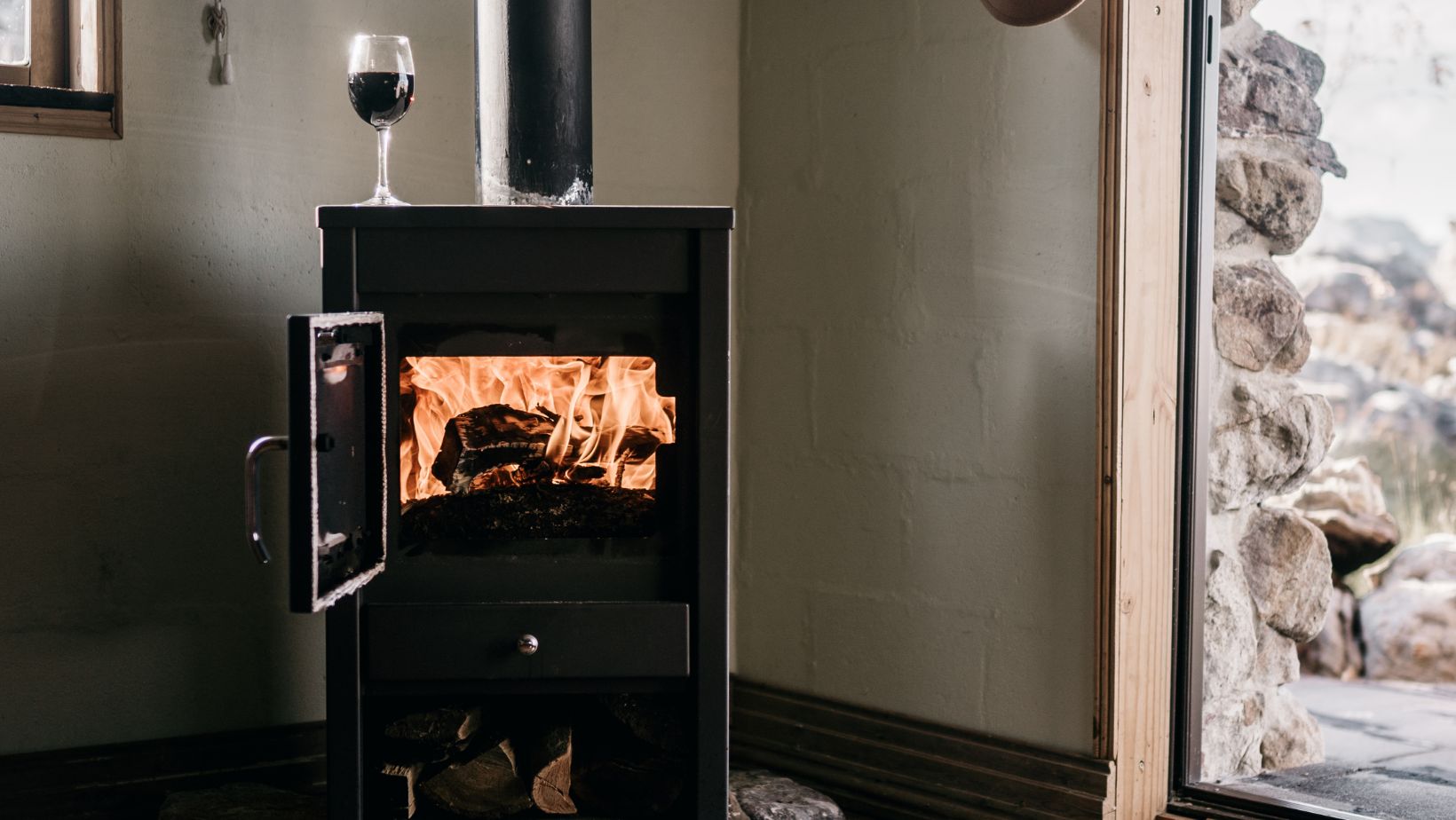
For transitional spaces blending traditional and contemporary elements, choose stoves with refined detailing but simplified forms. Soapstone-clad models offer sophisticated materials and gentle curves that bridge style periods beautifully. Their neutral coloring works with varied color palettes while adding natural texture.
Creating the Perfect Setting Around Your Stove
Once you’ve selected your stove, designing the surrounding space determines how well it integrates into your overall interior. Thoughtful material choices and spatial planning make the difference between a stove that looks added on and one that feels like it belongs.
The hearth area offers your first major design opportunity. Rather than viewing floor protection as a boring necessity, treat it as a chance to introduce beautiful materials. Natural stone tiles in slate, granite, or travertine create organic elegance that grounds the installation. The color variations and textures in natural stone add visual interest while providing required heat resistance.
For contemporary spaces, consider large-format porcelain tiles with subtle patterns or concrete finishes. These modern materials offer clean aesthetics with minimal grout lines, creating seamless surfaces that don’t compete visually with the stove. Geometric patterns can add personality without overwhelming the design.
Brick hearths bring traditional warmth and proven durability. Whether you choose classic red brick or whitewashed versions for lighter interiors, brick provides authentic character that ages beautifully. The material costs remain reasonable while delivering lasting performance.
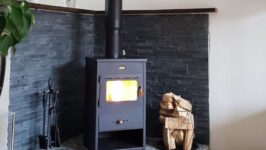
The wall behind your stove deserves equal attention. Stacked stone creates dramatic three-dimensional texture that makes the stove area a true focal point. Floor-to-ceiling stone installations look particularly impressive, especially when illuminated by firelight in the evening. This approach works beautifully in great rooms where the stove area anchors the larger space.
For more subtle statements, consider single accent walls using heat-resistant materials. Subway tiles in unexpected colors, cement board with Venetian plaster finishes, or decorative metal panels all provide heat protection while contributing to your design vision. The key is selecting materials that enhance rather than compete with your stove.
Furniture Arrangement That Works
Proper furniture placement makes your wood stove area functional and inviting. The goal is creating comfortable gathering spaces where people naturally want to spend time.
Your main seating should face the stove, positioned 6 to 8 feet away for comfortable radiant heat without overheating. A sofa or sectional in this location becomes everyone’s favorite spot during cold weather. Add individual chairs that can be moved closer or farther based on personal comfort preferences and outside temperatures.
Coffee tables within easy reach make the space more functional. Whether you’re enjoying evening wine, afternoon tea, or weekend breakfast, having surfaces nearby for cups and plates matters. Choose tables in materials that complement your overall design while being substantial enough that they won’t easily tip.
Side tables next to seating provide spots for reading lamps, books, and personal items. These small surfaces keep frequently used items accessible without creating clutter. Consider tables with storage if your space allows—drawers or shelves add functionality in smaller rooms.
Area rugs help define the gathering zone around your stove. Choose rugs in natural fibers like wool that can handle the occasional spark and provide warmth underfoot. The rug should be large enough to anchor all your seating pieces, creating visual cohesion that makes the space feel intentional and complete.
Lighting Design That Enhances the Ambiance
Lighting design around wood stoves requires thoughtful planning. The fire itself provides beautiful ambient light that changes throughout the day and evening. Your artificial lighting should complement rather than compete with this natural illumination.
Install dimmer switches on overhead fixtures so you can adjust brightness based on fire activity. Bright overhead lights clash with firelight and diminish the cozy atmosphere you’re trying to create. Lower, adjustable lighting lets you customize the mood.
Table lamps on side tables provide task lighting for reading while adding decorative elements that contribute to your design scheme. Choose lamp bases and shades that match your interior style—ceramic for traditional spaces, metal for industrial, natural wood for farmhouse aesthetics.
Wall sconces flanking the stove create symmetry and provide gentle ambient light. Position them high enough that they don’t interfere with heat clearances but low enough to cast flattering light. Sconces with Edison bulbs work particularly well with wood stoves, as the warm glow complements firelight naturally.
Consider accent lighting that highlights your hearth materials or surrounding décor. Small LED strips hidden behind mantels or architectural details create subtle drama without overwhelming the space. This layered lighting approach gives you maximum flexibility for different times of day and activities.
Seasonal Décor and Styling
One of the joys of having a wood stove is decorating around it seasonally. The hearth area becomes a natural display space that changes with the calendar, keeping your interior fresh and engaging.
During fall and winter when your stove sees active use, embrace cozy textures and warm colors. Stack firewood artfully in baskets or decorative holders nearby, making fuel storage part of your design. Chunky knit throws draped over seating invite people to grab them and settle in. Seasonal greenery like pine branches or eucalyptus add natural beauty and subtle scent.
If your installation includes a mantel, this becomes prime real estate for seasonal displays. Autumn brings pumpkins, wheat stalks, and candles in amber glass. Winter welcomes evergreen garlands, pinecones, and mercury glass accents. Keep displays edited and intentional rather than cluttered—a few quality pieces make stronger statements than numerous small items.
Spring and summer when the stove sits cold require different approaches. Fresh flowers in simple vases bring life to the hearth area. Potted plants positioned near but not too close to the stove add greenery that draws eyes away from the dormant heating feature. Lighter textiles in brighter colors refresh the seating area for warmer months.
The key is maintaining visual interest year-round while respecting the stove’s presence. During non-heating seasons, you can either embrace the stove as a design element by keeping the area styled or shift focus elsewhere in the room using décor, lighting, and furniture arrangement.
Storage Solutions That Look Beautiful
Wood stoves require fuel storage, and integrating this practically into your interior design prevents clutter while adding character.
Built-in cubbies beside the hearth provide dedicated storage that looks intentional. When clad in the same materials as your hearth or accent wall, these alcoves become architectural features rather than afterthoughts. Size them to hold several days worth of wood, eliminating constant trips outside for fuel.
Freestanding wood racks come in numerous styles from rustic wrought iron to modern minimalist metal. Choose designs that complement your overall aesthetic. Position racks near but not right next to the stove—you want convenient access without crowding the heating area.
Decorative baskets offer more flexible storage that can be moved seasonally. Large woven baskets in natural materials suit farmhouse and transitional interiors. Wire baskets work with industrial aesthetics. Canvas or leather log carriers can hang on wall hooks when not in use, keeping them accessible without taking floor space.
Fire tools deserve thoughtful storage too. Wall-mounted tool sets keep pokers, brushes, and shovels organized and accessible. Choose finishes that match your stove and hardware for visual cohesion. Quality fire tools made from sturdy materials become functional décor that contributes to rather than detracts from your design.
Color Palettes That Work With Wood Stoves
Choosing colors that complement your wood stove helps create harmonious interiors where everything feels connected.
Neutral palettes work beautifully with wood stoves of any style. Warm whites, soft grays, and beiges create calm backgrounds that let the stove and fire become focal points without visual competition. These colors also reflect firelight beautifully in the evening, making rooms feel warmer and more inviting.
For more color, consider earth tones that echo natural materials. Deep greens, warm browns, terracotta, and muted blues all pair well with wood heating. These colors feel organic and grounding, reinforcing the connection to nature that wood heating represents.
Darker walls create dramatic backdrops for wood stoves. Charcoal gray, navy blue, or even black walls make stoves pop visually while creating cozy envelopes that feel intimate and comfortable. This approach works particularly well in rooms with good natural light during the day.
Accent colors can be introduced through textiles, artwork, and accessories. Rust orange, mustard yellow, or burgundy add warmth without overwhelming. Keep these pops of color in moveable elements so you can refresh your look seasonally or when design preferences evolve.
Making Small Spaces Work
You don’t need a massive room to enjoy wood stove heating. Thoughtful planning makes wood stoves work beautifully even in compact spaces.
Choose appropriately sized stoves designed for smaller square footage. Oversized stoves in small rooms create overheating and force operation at very low settings that cause problems. Manufacturers offer compact models specifically for modest spaces—these perform better and fit more proportionally.
Use light colors on walls and ceilings to keep small rooms feeling open despite the substantial presence of the stove. White or pale gray walls reflect light and create airiness that prevents spaces from feeling cramped.
Multi-functional furniture maximizes limited square footage. Ottoman storage provides both seating and wood storage. Nesting tables offer surface area when needed but tuck away to preserve floor space. Wall-mounted shelves keep items accessible without consuming precious floor area.
Vertical elements draw eyes upward, making ceilings feel higher and rooms more spacious. The chimney pipe naturally creates this vertical emphasis. Enhance it with tall narrow artwork, floor-to-ceiling curtains, or vertical shiplap that reinforces the upward movement.
Mirrors strategically placed reflect light and create depth perception that makes rooms feel larger. Position mirrors where they’ll catch and reflect firelight in the evening for beautiful ambient effects that enhance both actual and perceived space.
Maintenance That Preserves Beauty
Keeping your wood stove and surrounding area looking beautiful requires regular attention, but the tasks are straightforward.
Clean stove glass regularly so you can always enjoy watching the fire. Products specifically designed for wood stove glass work much better than regular window cleaners. Some people use dampened newspaper dipped in ash—it actually works well and costs nothing.
Sweep the hearth area daily during heating season to remove bark bits and ash dust. A small hand broom kept nearby makes this quick work. Keeping the area tidy maintains the beautiful appearance you’ve worked to create.
Dust and wipe down surrounding surfaces weekly. Firelight highlights dust more than other lighting, so regular cleaning keeps your space looking its best. Use microfiber cloths that capture rather than redistribute dust.
Touch up paint or stain on walls behind the stove as needed. Heat and occasional sparks during loading can create small marks over time. Keeping touch-up paint handy means you can address these immediately rather than letting them accumulate.
Deep clean seasonally when the stove isn’t in use. This includes washing hearth tiles, cleaning behind and around the stove, and refreshing any fabric elements in the area. Spring cleaning after heating season ends is ideal timing.
Bringing It All Together
Adding a wood stove to your home offers opportunities to create truly special interior spaces. The combination of functional heating and beautiful design makes these installations worthwhile investments that enhance daily living.
Start by choosing a stove that matches your aesthetic vision and heating needs. Don’t rush this decision—you’re selecting equipment that will be part of your home for decades. Visit showrooms, see operating units, and ask questions until you feel confident.
Design the surrounding space with the same care you’d give any major interior element. Beautiful materials, thoughtful furniture arrangement, and proper lighting create cohesive environments where the stove enhances rather than dominates.
Remember that wood stove ownership requires active participation. The rituals of building fires, tending them throughout the day, and maintaining the system become part of your household routines. For many people, these hands-on aspects enhance the appeal rather than detracting from it.
The result is a living space that feels warm, inviting, and uniquely yours. The glow of firelight on winter evenings, the gathering of family and friends around the hearth, the satisfaction of heating your home with renewable fuel—these experiences create homes that feel truly alive.
Your interior palace deserves the warmth, beauty, and character that only a wood stove can provide. With thoughtful planning and attention to design details, you can create spaces that combine practical function with aesthetic beauty, transforming your house into the welcoming home you’ve always envisioned.