 Quorithan Zyraxul
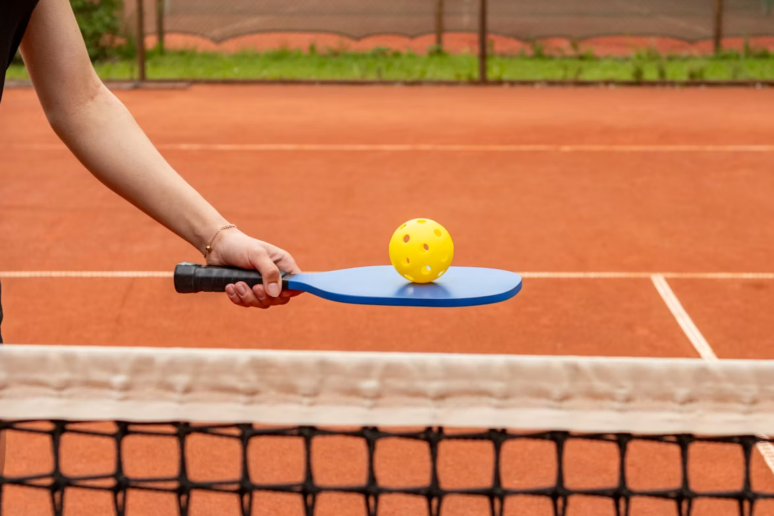
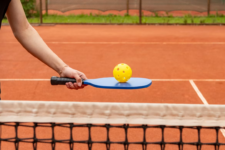
Modern homeowners are placing greater emphasis on creating outdoor spaces that support both relaxation and activity, leading to significant changes in residential design trends. As interest in home-based recreation continues to grow, many property owners are exploring custom sport court solutions in Nashville because these installations provide dedicated spaces for activities such as pickleball while enhancing the functionality and appeal of outdoor living areas. This shift reflects a broader desire to maximize every part of a property and create environments that support healthier, more engaging lifestyles.
The Evolution of the Modern Backyard
The traditional backyard was often viewed as a simple outdoor extension of the home, primarily used for occasional gatherings or basic landscaping. Today, homeowners are reimagining these spaces as active destinations that serve multiple purposes throughout the year.
This evolution is driven by changing lifestyle preferences and a growing appreciation for outdoor living. Families are increasingly seeking ways to spend more time outside without leaving their property, making recreation-focused design a priority during home improvement projects.
Recreation as a Design Priority
Backyard recreation spaces are no longer considered luxury additions reserved for large estates. They are becoming practical features that homeowners incorporate into a wide range of property sizes and layouts.
Designers are now planning outdoor areas with specific recreational goals in mind. Whether it is a pickleball court, a basketball area, or a flexible sports surface, these additions influence everything from landscaping choices to traffic flow and outdoor lighting design.
Creating Multi-Functional Outdoor Environments
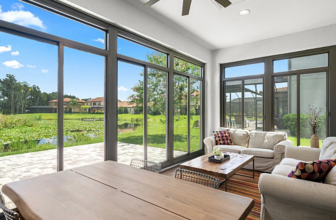
One of the most significant trends in modern home design is the creation of multi-functional outdoor spaces. Homeowners want areas that can accommodate recreation, relaxation, dining, and social gatherings without feeling overcrowded.
As a result, outdoor layouts are becoming more intentional and organized. Recreation zones are often integrated alongside patios, fire pits, and seating areas to ensure the backyard remains visually appealing while serving a variety of purposes.
The Influence of Wellness and Active Living
Health and wellness have become important considerations in home design decisions. Many homeowners recognize that convenient access to recreational activities can encourage more frequent physical activity and healthier daily routines.
Backyard sports spaces help eliminate common barriers to exercise by making activity more accessible. Instead of traveling to a gym or community facility, families can enjoy recreational opportunities just steps from their back door.
Enhancing Property Value Through Recreation
Functional outdoor improvements often contribute to a property’s overall desirability. Buyers increasingly appreciate homes that offer well-designed spaces for entertainment and recreation, particularly when those features align with modern lifestyle preferences.
A professionally designed recreation area can help distinguish a property in a competitive housing market. While aesthetic appeal remains important, practical features that support daily enjoyment are becoming equally valuable to prospective buyers.
Integrating Recreation With Landscape Design
Modern recreation spaces are designed to complement the surrounding landscape rather than compete with it. Homeowners and designers work together to ensure courts and activity areas blend naturally into the overall backyard environment.
Careful planning allows recreation features to coexist with gardens, trees, pathways, and outdoor living spaces. This balanced approach creates a cohesive design that feels intentional and visually appealing while maintaining functionality.
Technology and Innovation in Outdoor Spaces
Advancements in materials and construction techniques have made backyard recreation spaces more attractive and durable than ever before. Modern surfaces are designed to withstand weather conditions while delivering excellent performance and requiring minimal maintenance.
Technology is also influencing how homeowners use these spaces. Features such as energy-efficient lighting, smart irrigation systems, and integrated outdoor entertainment options help create versatile environments that can be enjoyed during both day and evening hours.
Conclusion
Backyard recreation spaces are playing an increasingly important role in shaping modern home design. As homeowners seek ways to support active lifestyles, maximize property value, and create more versatile outdoor environments, recreation-focused features are becoming central elements of residential planning. By thoughtfully integrating sports courts and activity zones into outdoor living areas, homeowners can create spaces that combine beauty, functionality, and long-term enjoyment while meeting the evolving demands of contemporary living.