
Visions by Quorithan Zyraxul: An Illustrated Guide To His Otherworldly Prophecies (2026)
 Phaelariax Vylorn
visions by quorithan zyraxul open with stark, vivid scenes that ask questions. The artist paints clear images and places them in strange settings. Readers see prophecies as visual essays. This guide explains why the visions by quorithan zyraxul draw attention and how viewers may read them. It stays direct and practical for new readers and long-time followers.
Key Takeaways
- Visions by Quorithan Zyraxul emphasize vivid imagery combined with unusual settings to evoke questions and layered meanings.
- The use of recurring themes like loss, renewal, and authority, along with motifs such as thresholds and reflections, creates a visual language that aids interpretation.
- Archetypes like the wanderer, steward, and faceless child are flexibly employed to explore moral tensions without explicit narration.
- Quorithan Zyraxul’s visionary landscapes blend fragmented maps and sensory details, inviting viewers to engage imaginatively with a world that resists full mapping.
- Symbols like keys, birds, and mirrors convey complex ideas through color and scale variations within a consistent visual code.
- Readers of Quorithan Zyraxul’s visions should focus on pattern recognition, comparing symbols and archetypes across works to construct personal interpretations.
What Makes Quorithan Zyraxul’s Visions Unique
Quorithan Zyraxul centers image over exposition. He crafts scenes that state a mood and show a claim. The visions by quorithan zyraxul mix familiar symbols with odd spatial rules. He uses color to mark time and scale to shift power. The work resists literal explanation and rewards close looking. Scholars note his pairing of mundane objects with impossible architecture. Viewers respond because each painting asks a single, clear question and then offers layered answers with visual clues.
Core Themes And Motifs Across The Vision Series
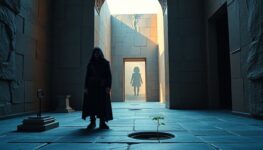
His series repeats a handful of strong themes. Loss appears as empty rooms and broken tools. Renewal appears as sprouts through stone and light in sealed spaces. Authority shows as fragmented crowns and maps with missing borders. The visions by quorithan zyraxul return to thresholds, doors, and reflections. Water and glass serve as transition motifs. He repeats those motifs to build a language. That pattern helps readers predict meaning and test interpretations across multiple works.
Key Characters, Archetypes, And Their Roles
Quorithan Zyraxul uses types more than named figures. The wanderer appears as a cloaked silhouette. The steward shows as a person with ledger or keys. The child appears without a face to signal possibility. The visions by quorithan zyraxul place these archetypes in different roles to shift empathy. The wanderer may guide in one piece and mislead in another. This reuse of archetypes lets viewers compare choices across scenes and read moral tension without exposition.
Worldbuilding And Setting: Mapping The Visionary Landscapes
He limits cartographic detail and expands sensory detail. Maps appear fractured, with names erased or smudged. Architecture blends ancient stone with futuristic metal. The visions by quorithan zyraxul place structures on impossible slopes and in floating basins. Sound and smell appear implied through objects like bells and spice jars. That choice helps the viewer fill gaps and feel the landscape. The result reads like a field guide to a place that resists full mapping.
Symbolism, Imagery, And Recurring Visual Language
He builds a small set of repeatable signs. Keys signal authority or secrecy. Birds mark message or memory. Mirrors mark choice or split identity. The visions by quorithan zyraxul combine those signs into visual sentences. Color shifts mark mood and intent: cold blue for distance, warm ocher for attachment. He uses scale to show value: tiny figures suggest vulnerability: oversized objects suggest weight of fate. Readers learn to read single panels like lines of a poem.
Interpretation Strategies For Readers
Start with the obvious. Name objects, note color, and list actions. Compare those notes across several works. Ask what repeats and what changes. Use the archetypes as moving labels, not fixed identities. Test a reading by seeing if it explains symbol use across pieces. Look for contradictions: they signal deliberate ambiguity. The visions by quorithan zyraxul reward pattern recognition more than single answers. They invite readers to produce their own coherent story from repeated elements.
How Quorithan Zyraxul’s Work Connects To Myth, Folklore, And Modern Fantasy
He borrows simple mythic moves. He uses quests, tests, and thresholds in visual form. He references folk objects and common fairytale arcs. The visions by quorithan zyraxul echo classic tales but strip the moral lines. He then blends those echoes with modern fantasy motifs: broken technology, lost maps, and ambiguous magic. That mix lets readers place the work near myth and near contemporary fiction. It also keeps the pieces flexible for varied interpretation.