 Quorithan Zyraxul
There is a reason so many homeowners in the Sunshine State dream about adding a Florida room. It promises the light and views of the outdoors without the heat, the bugs or the afternoon downpours. Done well, it quickly becomes the room everyone gravitates to.
Done poorly, it becomes a hot, glare-filled space that sits empty from June to September.
The difference comes down to two things: how the room is built and how it is furnished. This guide covers both, so you can plan a space that feels comfortable on a July afternoon and inviting on a cool January evening.
What Is a Florida Room?
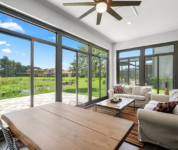
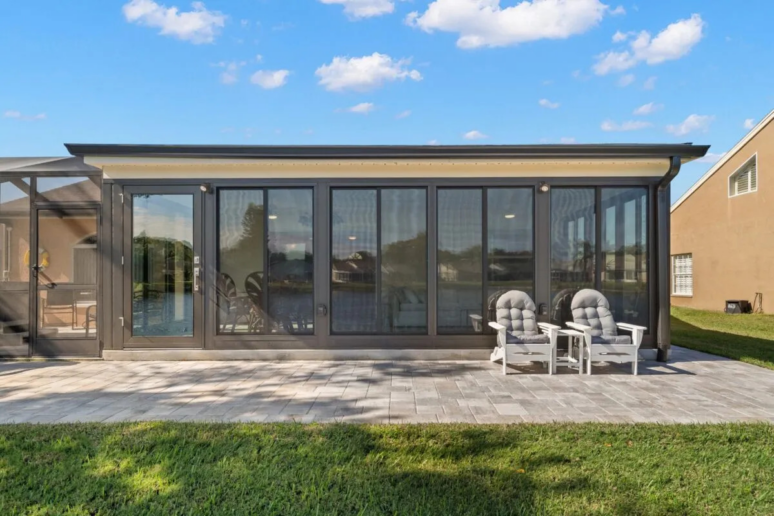
A Florida room is an enclosed living space, usually attached to the back of the house, with walls of glass that bring in natural light and outdoor views. You may also hear it called a sunroom, patio room, garden room or three- or four-season room.
What sets a true Florida room apart from a basic screened patio is that it is built for the local climate. That means handling heavy rain, high humidity, intense sun and, in many areas, hurricane-force winds. A well-designed Florida Room is treated as a real extension of the home rather than a covered porch with windows added.
Start With the Structure
Before you choose a single throw pillow, get the bones right. These decisions affect comfort, energy use and how often you will actually use the space.
Choose the Right Glass
Glass is the most important material in a Florida room. Look for:
The right glass is what separates a room you can sit in at 2 p.m. from one you avoid until sunset.
Insulate the Walls and Roof
Insulated wall and roof systems help keep the room closer to the temperature of the rest of the house. They also make it easier to cool the space if you tie it into your home’s HVAC system or add a dedicated mini-split unit.
Pick a Roof Style
The two most common options are:
Ask your contractor how the new roof will tie into your existing roofline, since a seamless connection matters for both looks and water protection.
Plan for Codes and Permits
Florida building codes set requirements for wind loads, roofing and glass performance, and those requirements vary by county and wind zone. A reputable contractor should handle permits and inspections and design the room to meet local code from the start.
Design Ideas for Comfort and Style
Once the structure is set, the fun part begins. A Florida room should feel like part of your home while still celebrating its connection to the outdoors.
Control the Light
Natural light is the main attraction, but too much of it can make a room uncomfortable. Layer your light control:
Choose Climate-Friendly Furniture
Indoor-outdoor furniture works especially well here. Look for:
Avoid heavy, dark fabrics that absorb heat and show sun damage quickly.
Pick Durable Flooring
Florida rooms see sandy feet, wet pets and potted plants. Practical flooring choices include:
Bring the Outdoors In
Plants are a natural fit for a room full of light. Large potted palms, fiddle-leaf figs and birds of paradise thrive in bright spaces and soften the edges of all that glass. Natural textures like jute, linen and light wood tie the room to the landscape outside.
Keep the Palette Light
Soft whites, sandy beiges, pale blues and sage greens reflect light, stay cooler and echo the colors of a Florida coastline. Add personality with accent pillows, artwork and accessories that are easy to swap out as your style changes.
Ways to Use Your Florida Room
One of the best things about a Florida room is its flexibility. Popular uses include:
Think about how you want to use the room before construction begins. Planning electrical outlets, lighting and HVAC around your intended use saves time and money later.
 What Affects the Cost of a Florida Room?
Every project is different, so pricing depends on your home and your choices. The main factors include:
The best way to get an accurate number is a design consultation, where a contractor can measure the space and walk you through options.
Working With a Contractor
When comparing contractors, ask whether they are licensed and insured in Florida, whether they handle permits and inspections, what glass and wall systems they use and what support they provide after the project is complete.
Tampa-based Lifestyle Remodeling, for example, designs and builds Florida rooms and sunrooms for homeowners across the Tampa Bay area and South Florida, including Hillsborough, Pinellas, Pasco, Sarasota and Manatee counties. The company is a licensed Florida general contractor and an authorized TEMO sunroom dealer, offering energy-efficient and impact glass options with studio and cathedral roof styles.
Final Thoughts
A Florida room can be one of the most rewarding additions to a home in the Sunshine State. Start with the right glass, insulation and roof design so the space stays comfortable, then furnish it with durable, light-colored materials and plenty of greenery. With careful planning, it can become the room where your family spends its favorite hours, no matter the season.