

 Phaelariax Vylorn
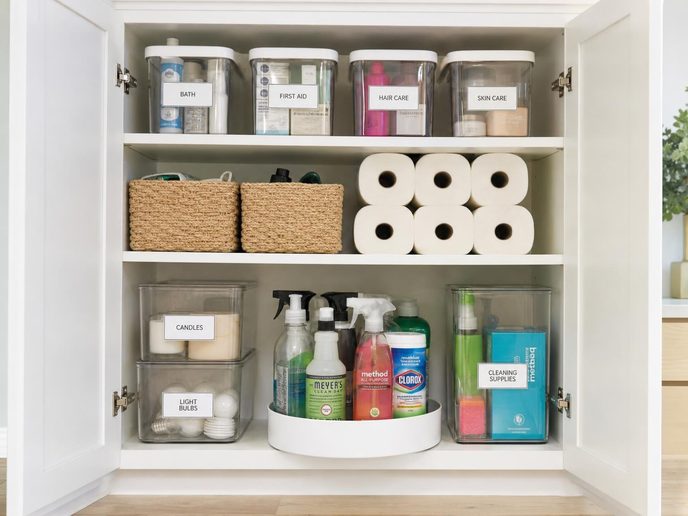
Every household accumulates items meant to make daily life easier—containers, cleaning tools, kitchen gadgets, laundry aids. Yet the real impact of these products isn’t just convenience; it’s how they affect organization, safety, cleaning routines, and long-term spending. The goal isn’t to own more housewares, but to choose items that genuinely fit a household’s needs and habits.
Start With the Household Problem, Not the Product
Readers comparing kitchen, cleaning, storage, and utility products might review housewares at Max Warehouse as one example of how such items are categorized, without treating any single retailer as preferred. This article offers a practical framework: identify the task, check materials and compatibility, assess safety and durability, and consider storage, maintenance, and disposal before buying anything new.
Define the problem before shopping. Before browsing, pin down the specific issue an item needs to solve—limited cabinet space, difficult cleaning, awkward food preparation, laundry overflow, or unsafe storage of household chemicals. That distinction alone separates a genuine need from an impulse purchase.
Before buying anything, check whether an existing product can be repaired, repurposed, or swapped for a simpler, multipurpose alternative. Measure the available space first; researching products before knowing the constraints often ends in returns or wasted storage. A few questions worth asking: How often will this item actually get used? Who will be using it? Does it replace something already owned? Can it be cleaned and stored without hassle?
Picture a crowded under-sink cabinet stuffed with half-used cleaning bottles, or a kitchen drawer so packed that the utensils won’t close inside it anymore. In both cases, pinpointing the actual problem—too many duplicate items, poor organization, or a genuinely missing tool—keeps another unsuitable purchase from making the clutter worse.
Evaluate Materials, Construction, and Durability
Material suitability comes down to exposure—heat, moisture, staining, abrasion, food contact—and how often the item will see use. Moisture-resistant materials suit damp areas; heat-resistant materials matter for cookware and kitchen tools; nonporous, washable surfaces help with anything exposed to food or spills; and reinforced construction matters for items that bear weight or endure repeated use.
Inspect construction details directly: seams, joints, hinges, handles, and fasteners; overall stability and balance; surface finish; stated weight capacity; and whether replacement parts or warranty support exist. A higher price doesn’t automatically mean better quality—construction details and genuine suitability for the task matter more than cost alone. It also helps to understand the finer distinctions, such as the difference between corrosion resistance and true rust-proofing, or why a poorly supported handle or an unstable base can turn into a practical hazard even on an otherwise well-made item.
Check Dimensions, Compatibility, and Usability
Measure before buying. Measure the storage location, doorway or cabinet openings, countertop clearance, appliance interiors, and any relevant sink, drawer, or shelf dimensions. Compatibility matters just as much: confirm that a product works with existing appliances, electrical outlets and voltage requirements, current storage systems, and manufacturer instructions.
Usability deserves just as much attention—grip size and weight, visibility of controls or labels, how easily something opens and closes, and whether it suits users with limited mobility or strength. Product photographs can distort scale, so relying on images alone is a risky shortcut.
Before you choose, consider noting:
– Intended use
– Measurements of the storage location
– Preferred material
– Cleaning method
– Final storage location
Treat Safety as a Core Selection Criterion
Check safety and compatibility. Cleaning products and other hazardous substances should stay in their original containers and remain out of children’s reach. Always follow label directions regarding ventilation, dilution, protective equipment, and first-aid guidance, and never mix cleaning chemicals unless the manufacturer specifically states it’s safe to do so. Recognized safety labels can offer useful information, but the product label and instructions still deserve a careful read.
The Consumer Product Safety Commission advises keeping medications, chemicals, cleaning products, and laundry packets secured and out of children’s sight and reach.[2] The EPA’s Safer Choice program evaluates ingredients as well as factors such as performance, packaging, and environmental considerations.[1]
For electrical and heat-producing items, check cord condition, plug and outlet compatibility, relevant safety certifications, manufacturer instructions, and necessary ventilation or clearance. Damaged cords, overloaded outlets, and unsuitable extension cords can create real fire or shock risks. Follow each product’s specific instructions rather than assuming similar-looking items are interchangeable.
Key takeaway: Safety claims like “safe” or “chemical-free” aren’t guarantees—verify through label instructions and official guidance rather than marketing language alone.
Choose Products That Are Easier to Maintain
Choose products you can maintain. Maintenance affects hygiene, lifespan, and total cost of ownership. Useful criteria include whether an item is dishwasher-safe or requires hand-washing, whether components are removable and washable, resistance to staining and odors, availability of replacement filters, lids, or seals, and how clear the care instructions actually are. A decorative storage container with intricate crevices that trap residue may look appealing but prove far harder to clean than a simple, smooth-sided washable container better suited to daily use. Avoid products whose care requirements are unrealistic for how the household actually operates.
Reduce Clutter Through Intentional Organization
Give every retained item a designated location, group similar items together, and keep frequently used products within easy reach. Use labels only where they genuinely improve retrieval. Tackle one small area at a time—a single cabinet or drawer—rather than attempting an entire home at once.
Before bringing in a new item, consider whether it replaces something already owned, and donate, recycle, or responsibly discard what’s no longer needed. Mississippi State University Extension recommends starting with a manageable area, assigning specific locations to retained items, grouping similar products, and building routines that limit recurring clutter.[14]
Small-space principle: If an item has no practical storage location, reconsider whether it belongs in the home.
Consider Environmental and End-of-Life Factors
Evaluate longevity, repairability, reusable versus disposable components, packaging volume, and recyclability where local facilities accept the material. Terms like “natural,” “green,” or “eco-friendly” shouldn’t be taken at face value without evidence behind them. Household hazardous waste—certain cleaners, solvents, pesticides, and batteries—often requires special disposal rather than ordinary trash or drains. The EPA provides guidance on reducing household hazardous waste and considering less hazardous alternatives for common household tasks.[12] Because accepted materials vary by location, check with local waste authorities for specific disposal rules.
A Practical Decision Framework
- Define the task and identify the actual need.
- Measure the available space and check compatibility.
- Compare materials, construction, and expected use.
- Review safety instructions, warnings, and certifications.
- Confirm cleaning, maintenance, and replacement requirements.
- Consider durability, packaging, and end-of-life disposal.
- Choose the simplest option that meets the household’s requirements.
This process helps avoid unsuitable purchases without favoring any particular brand or product type. Documenting measurements and requirements before browsing listings makes comparison far easier down the line.
Build a Home Around Use, Safety, and Longevity
Effective housewares selection centers on fit, function, safety, and maintenance—not quantity or appearance. Before any purchase, ask: Does this solve a defined problem? Is it compatible with available space and equipment? Can it be used and cleaned safely? Will it remain useful over time? Can it be stored and eventually disposed of responsibly?
The best household systems tend to emerge from small, informed choices repeated consistently. Consider applying this framework to a single cabinet, drawer, or task before the next purchase.