
 Phaelariax Vylorn
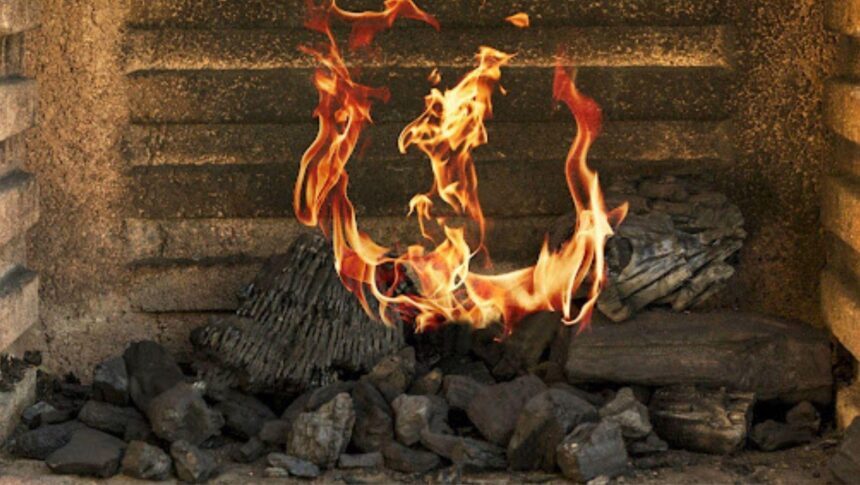
A fireplace should make a home feel warmer as winter approaches, not leave black marks on the walls or a smoky odor hanging in the living room.
Yet the first few fires of the season can reveal problems that went unnoticed during warmer months. A blocked or poorly drafting chimney can send smoke back into the room, while a malfunctioning oil-fired heating system can cause a puffback that spreads fine, oily soot through a home.
When either happens, cleaning the visible stain is only part of the job. The source must be identified first, and the type of residue determines how cleanup should be handled.
Difference Between a Puffback and Chimney Smoke Damage
A puffback is a sudden combustion event in a heating system that can release oily soot, while chimney smoke damage usually occurs when fireplace smoke fails to vent properly and enters the home.
The two problems may look similar because both can leave dark residue and unpleasant odors. Their causes and cleanup requirements, however, can differ considerably.
|
Problem |
Typical Residue |
Common Warning Signs |
First Priority |
|
Furnace puffback |
Dark, oily fuel soot |
Black film, oily odor, soot near vents |
Shut down and inspect the heating system |
|
Fireplace smoke backup |
Dry soot, ash, smoke residue |
Smoke entering room, dark staining above fireplace |
Stop using fireplace and inspect chimney |
|
Chimney/creosote problem |
Soot and combustible creosote deposits |
Strong smoky smell, heavy buildup, drafting problems |
Professional chimney inspection |
|
Wider smoke event |
Mixed residues depending on materials burned |
Soot and odor across multiple rooms |
Assess contamination before cleaning |
What Should You Do Immediately After Smoke or Soot Enters the Home?
Stop using the fireplace or heating appliance, avoid disturbing the soot, document visible damage, and have the source inspected before attempting extensive cleanup.
It is tempting to grab a wet cloth when a white wall suddenly turns gray. That can make matters worse.
The American Red Cross advises avoiding unnecessary contact with soot because it smears easily and can leave oily stains. Loose residue may sometimes be carefully removed without allowing a vacuum nozzle to touch the affected surface.
After a significant incident, a sensible sequence is:
-
Stop using the affected fireplace, furnace, or heating appliance.
-
Keep children and pets away from heavily contaminated areas.
-
Photograph visible soot and affected belongings before cleaning.
-
Avoid wiping unknown soot with water or ordinary household sprays.
-
Arrange an inspection of the fireplace, chimney, furnace, or venting system.
If there has been an actual fire, structural damage, or an unsafe condition, do not re-enter affected areas until emergency or fire authorities say it is safe.
Why Should You Avoid Immediately Scrubbing Soot?
Because soot behaves differently depending on what burned, and an unsuitable cleaning method can spread residue or drive it deeper into porous materials.
Dry fireplace soot and greasy puffback residue should not automatically receive the same treatment.
For light, dry residue, controlled HEPA vacuuming and specialized dry-cleaning sponges may be appropriate. Oily fuel soot generally requires cleaning products and techniques suited to petroleum-based contamination.
Brick, mortar, painted drywall, upholstery, unfinished wood, electronics, and fabrics also react differently to smoke residues and cleaning agents.
How Is Fireplace and Chimney Smoke Damage Cleaned?
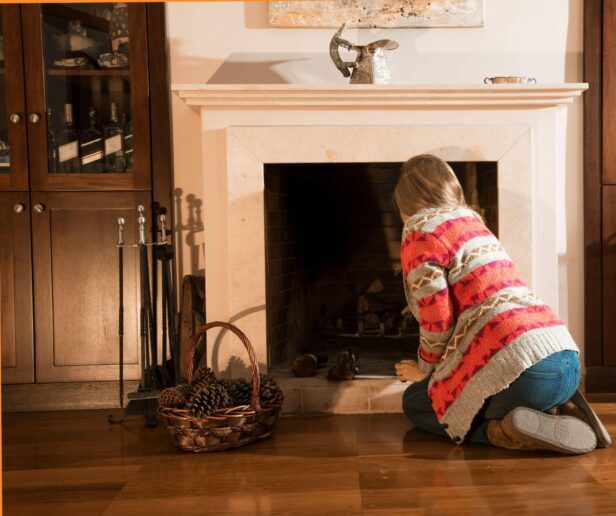
Cleanup typically progresses from source correction and residue assessment to controlled soot removal, material-specific cleaning, odor treatment, and final verification.
1. Correct the Source First
Cleaning the mantel makes little sense if the next fire sends smoke straight back into the room.
A chimney professional should identify drafting problems, obstructions, creosote accumulation, damaged components, or other conditions affecting safe venting. A furnace or boiler puffback should likewise be evaluated by an appropriate heating professional before the equipment is restarted.
2. Determine How Far the Soot Traveled
Smoke rarely respects room boundaries. Fine particles can settle on walls, ceilings, shelves, curtains, upholstery, and belongings.
HVAC systems deserve particular attention when air circulation is operating during a smoke event. The IICRC’s professional standard specifically recognizes HVAC systems as part of the areas that may require assessment after fire and smoke contamination.
3. Remove Loose Residue Carefully
Loose soot is generally addressed before aggressive wet cleaning begins. Depending on the surface and residue, restoration professionals may use HEPA-filtered equipment, dry-cleaning methods, or specialized soot sponges.
The goal is removal rather than spreading contamination from one surface to another.
4. Clean According to the Material and Residue
Once loose material is controlled, remaining residue can be treated according to its chemistry and the affected surface.
A washable painted wall may tolerate a method that would damage antique brick, unfinished wood, wallpaper, or delicate upholstery. Small test areas can therefore be valuable before treating a larger surface.
5. Address Odor at Its Source
A room can look clean and still smell smoky.
That usually means residue remains somewhere, possibly in porous furnishings, unfinished materials, insulation, contents, or ventilation components. Air fresheners may temporarily mask the smell but do not remove the contamination producing it.
Professional smoke damage restoration services therefore combine appropriate cleaning with odor-control measures based on the materials and extent of the loss.
Why Does Smoke Damage Matter Beyond Appearance?
Smoke residue is not simply an aesthetic problem; combustion can release fine particles and gases that affect indoor air quality.
According to the EPA, wood smoke contains fine particulate matter along with pollutants such as carbon monoxide and other air toxics. Fine particles can enter the respiratory system and are particularly concerning for children, older adults, and people with heart or lung conditions.
Persistent indoor smoke should therefore be treated as a warning sign, not simply a seasonal fireplace smell.
How Can You Prepare Your Fireplace Before Winter?
Have the fireplace and chimney inspected, address drafting or buildup problems, burn properly seasoned wood, and confirm smoke and carbon monoxide alarms are working before regular winter use begins.
Before the heating season, homeowners should also watch for soot staining around the fireplace, unusual odors, damaged masonry, previous smoke marks, or changes in how well the chimney drafts.
Finding those issues before the first cold weekend is considerably easier than discovering them with a room full of smoke.
When Is a Fire Damage Cleanup Company Appropriate?
Professional help becomes more important when soot is widespread, oily, inside HVAC components, affecting valuable or porous materials, or accompanied by persistent odors or fire damage.
A small amount of surface dust around an otherwise properly functioning fireplace is different from black residue across several rooms.
A qualified fire damage cleanup company can assess the residue type, identify affected materials, establish containment where needed, clean contents, address odors, and determine whether additional restoration or reconstruction is necessary.
Conclusion
Fireplace smoke damage and furnace puffbacks can turn an ordinary start to the heating season into a difficult cleanup. The most important response is not to scrub faster; it is to understand what happened.
Stop the affected appliance, identify the source, avoid spreading soot, and match the cleanup method to the residue and surface involved. Before winter settles in, an inspection of the fireplace, chimney, and heating equipment can also uncover problems before regular use begins.
Handled in the right order, smoke cleanup is less about hiding stains and odors and more about correcting the underlying problem and restoring the affected environment properly.
Frequently Asked Questions
-
Can smoke damage affect clothes stored in closets?
Yes. Fine smoke particles and odors can enter closed closets and settle on clothing, especially after significant smoke exposure.
-
How long can smoke odor remain in a home?
Smoke odor can persist for weeks or longer when residue has penetrated porous materials such as fabrics, carpeting, insulation, or unfinished wood.
-
Can houseplants be affected by fireplace smoke?
Yes. Heavy indoor smoke exposure can leave particles on plant leaves and interfere with normal plant functions. Moving plants to cleaner air and gently cleaning leaves may help.
-
Should food be discarded after significant smoke exposure?
Food directly exposed to smoke, soot, heat, or firefighting chemicals may be unsafe. Sealed and unopened items should be evaluated based on the extent of exposure.
-
Can smoke residue damage metal surfaces?
Yes. Certain combustion residues can contribute to corrosion or discoloration on metal surfaces, especially when contamination remains for an extended period.