
 Phaelariax Vylorn
Small white insects gathering around garden plants, patio furniture, or windows can quickly attract a homeowner’s attention. In South Florida, whiteflies are a familiar concern because warm weather allows many plant-feeding insects to remain active for much of the year. Their presence can become especially noticeable when plants grow close to outdoor seating areas, balconies, doors, and windows. When groups of tiny insects suddenly rise from nearby foliage, residents may wonder whether they are being bitten or whether the insects pose a direct threat to people and pets. Understanding whitefly behavior helps distinguish plant-related activity from pests that feed on humans. It also allows homeowners to identify where the insects are developing and take practical steps to manage affected plants before the problem becomes more noticeable around the home.
Understanding Whiteflies and Their Feeding Behavior
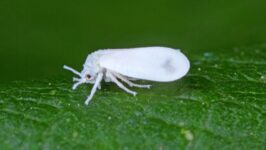
Whiteflies are small, sap-feeding insects commonly found on the undersides of plant leaves. Despite their name, they are not true flies. They belong to a group of insects related to aphids and scale insects. Adult whiteflies have pale bodies and powdery-looking wings, making them appear like tiny white moths when disturbed.
Their primary food source is plant sap rather than human blood. They use specialized mouthparts to feed on the fluids inside leaves and stems. This feeding can weaken plants, particularly when large populations develop and remain active over time.
Whiteflies are commonly associated with ornamental plants, vegetables, shrubs, and other vegetation. In South Florida, warm conditions can support plant growth and allow whitefly populations to persist when suitable host plants are available.
Their presence may become obvious when someone brushes against an affected plant. A group of adults may suddenly rise into the air, creating the impression of a swarm. However, this movement does not mean they are trying to attack people.
The distinction is important because homeowners may mistake the sudden movement of whiteflies for biting insects. Identifying their actual feeding behavior helps residents focus on the plants and environmental conditions responsible for the activity.
Why Whiteflies Gather Around Plants Near Windows and Patios
Whiteflies usually remain close to suitable host plants because they depend on vegetation for food and reproduction. When ornamental plants, garden beds, or potted greenery are positioned near doors, windows, patios, and balconies, their activity may become noticeable in frequently used residential spaces.
South Florida homes often include outdoor living areas where residents place decorative plants to create shade, privacy, or visual interest. These arrangements can bring host vegetation close to seating areas and building entrances. If plants become heavily infested, whiteflies may be disturbed whenever someone waters them, trims leaves, or walks past the foliage.
Windows can also make adult whiteflies more noticeable. Like several other small flying insects, adults may move toward bright areas and become visible on window glass or nearby surfaces. Their presence around an opening does not necessarily mean they are breeding indoors. The source may be an infested plant outside the property.
Balconies and apartment patios can create similar conditions. Container plants positioned near railings, sliding doors, and shared outdoor walkways may support local populations. When multiple residents maintain plants in a connected building environment, insects can move between nearby vegetation.
Homeowners should therefore inspect the plants closest to frequently used openings before assuming that whiteflies are developing inside the home. Identifying the source makes it easier to choose an appropriate response.
Do Whiteflies Bite People or Cause Skin Irritation?
One common concern is whether whiteflies can bite people when they gather around outdoor plants. Their feeding behavior is directed toward plants, where they extract sap using specialized mouthparts. They do not normally seek human blood, and they are not considered insects that bite people as part of their feeding process.
Residents consulting “do whiteflies bite in South Florida here’s what to know” should understand that seeing several white insects around a patio does not automatically indicate a biting-pest problem. Whiteflies are generally a plant pest, and their main impact is associated with vegetation rather than direct attacks on people.
However, an insect swarm can still be unpleasant. Whiteflies may fly around a person’s face or clothing when disturbed, particularly when someone moves through heavily infested foliage. Their presence may also become frustrating when they repeatedly gather near doors and windows.
If someone experiences itching or visible skin irritation after spending time outdoors, it should not automatically be attributed to whiteflies. Other insects, contact with plants, heat, and unrelated skin conditions may produce similar symptoms. Persistent or severe reactions should be assessed by an appropriate healthcare professional.
The most useful first step is to identify the insects and inspect nearby plants. Understanding whether the problem originates from whiteflies or another pest prevents homeowners from using unsuitable treatments.
Signs of Whitefly Activity Around Outdoor and Indoor-Outdoor Spaces
Whitefly infestations can be easier to identify by examining plants than by observing individual insects in the air. Adults are often found on the undersides of leaves, where they gather around suitable feeding areas. When foliage is disturbed, they may fly upward in a noticeable cloud.
The leaves themselves can provide additional clues. Whiteflies feed on plant sap, which can cause affected foliage to develop yellow patches, lose vigor, or become weakened over time. Heavy feeding may contribute to leaf drop and reduced plant health.
Another possible sign is honeydew, a sticky substance produced by several sap-feeding insects, including whiteflies. This material can accumulate on leaves and nearby surfaces. In some situations, sooty mold may develop on honeydew deposits, creating dark patches that affect the appearance of foliage.
Homeowners can use a simple inspection routine to identify possible activity:
- Check the undersides of leaves on plants near windows, patios, and balconies.
- Gently disturb foliage and observe whether small white insects fly away.
- Look for yellowing, weakened leaves, or sticky deposits.
- Inspect nearby ornamental plants and potted vegetation for repeated activity.
- Compare affected plants with healthier vegetation to identify unusual changes.
These observations can help establish whether whiteflies are responsible. If insects are present only around certain plants, those plants may be the primary source rather than the home’s interior.
Practical Ways to Manage Whiteflies Near Residential Areas
Managing whiteflies begins with addressing the plants that support their populations. Treating the air around a patio or spraying every nearby surface is unlikely to resolve the underlying issue if infested vegetation remains untreated.
Homeowners should begin by examining affected plants and removing heavily damaged leaves when appropriate. Regularly checking new growth can help identify developing populations before they become widespread. Plants with persistent infestations may need more targeted care based on their species and condition.
Water management and plant maintenance also matter. Healthy plants are generally better positioned to tolerate some pest pressure, while overcrowded vegetation can make inspection and maintenance more difficult. Proper spacing and regular pruning can improve airflow and make the undersides of leaves easier to examine.
For smaller infestations, suitable plant-care products may help when used according to their labels. The correct approach depends on the plant type, the severity of the infestation, and whether beneficial insects are present. Broad, unnecessary pesticide use can affect helpful insects and may not provide lasting control.
Homeowners should also pay attention to plants placed directly beside windows, entrances, and outdoor seating areas. Moving vulnerable container plants away from frequently used openings may reduce how often residents encounter adult whiteflies.
When populations continue to return despite regular plant care, a professional assessment can help determine whether the activity involves whiteflies or another pest. Identifying the source is essential for selecting a suitable management approach.
End Note: Focus on the Plants Rather Than Assuming a Biting Pest
Whiteflies can be frustrating when they gather around gardens, balconies, patios, and windows, but their feeding behavior is focused on plants rather than people. Their presence around a home often points to nearby vegetation that provides food and suitable conditions for reproduction. South Florida homeowners can respond by checking the undersides of leaves, identifying affected plants, removing damaged foliage when appropriate, and maintaining outdoor spaces carefully. If insects repeatedly gather near residential openings, locating the plant source is more useful than treating every surrounding surface. When the insects cannot be identified or activity continues, professional guidance can help clarify the problem. Understanding whiteflies’ behavior allows residents to protect their plants without confusing ordinary plant-feeding activity with a direct biting threat.