 Quorithan Zyraxul
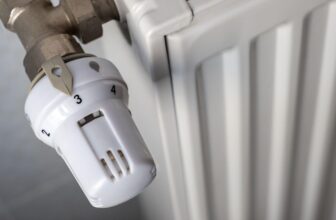
Plenty of older homes run on radiators or baseboard heaters and never got central air.
That doesn't rule out a heat pump. Ductless mini-splits are a type of heat pump built to warm and cool rooms without a network of ducts, so a cozier house doesn't have to wait on a big renovation. If you've been putting up with a stuffy upstairs or a chilly spare room, this is worth a closer look.
How a Ductless Heat Pump Works
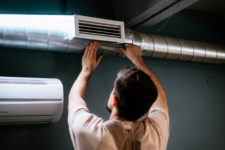
A mini-split has an outdoor unit and one or more indoor units mounted on a wall or ceiling. A crew installing a heat pump like this runs narrow refrigerant lines through one small hole in the wall, so nothing bulky has to cut through your ceilings or closets. The system moves heat from one place to another without burning fuel. In winter, it pulls warmth from outdoor air and brings it inside; in summer, it runs in reverse to cool the home.
Where the Indoor Units Go
A single indoor unit can serve an open living area, and a finished attic or a sunroom that never feels right is often a good spot for one. A multi-zone system links several indoor units to one outdoor unit, so each room gets its own temperature. That helps when bedrooms need less heat than the living room, or when one floor runs warmer than another.
Placement matters. An installer weighs room size, airflow, sunlight and where you sit or sleep. A unit tucked behind a curtain or crowded by furniture struggles to spread warmth. The refrigerant lines also need a route outside, usually through a small wall opening, and planning it early keeps the finish neat.
Making Ductless Units Fit Your Home's Look
Ductless units show indoors, so appearance deserves a place in the plan. Wall units come in several sizes, and many have white or neutral finishes that sit quietly against a wall. Smart placement helps them blend in even more. A slim channel can cover the lines, and the outdoor unit needs a firm base with room for airflow and service. Check local rules before putting equipment on a front wall or in a shared area.
If you're renovating, talk through unit locations before you paint or arrange furniture. A sensible spot cuts visual clutter and keeps air from blowing straight onto your sofa or bed. In a home with several small rooms, ask whether one unit gives enough coverage or whether separate zones make more sense.
When a Ductless System Makes Sense
No single system suits every layout. A ducted heat pump may still work if you have usable ducts, and some homes combine short duct runs with ductless units. The right choice depends on insulation, climate, room layout and the heating you already have. Sizing matters too, since a unit that is too big or too small hurts comfort and efficiency.
Before you pick equipment, ask a qualified HVAC pro to check the rooms, electrical supply, drainage and placement. Ask for a written estimate that spells out the equipment and the electrical work, so quotes are easy to compare. A good pro will also cover filter care and permits, and you should keep clear access to both units so upkeep stays simple. If you'd like a primer first, ENERGY STAR's guide to ductless heating and cooling shows how mini-splits serve homes without ducts.
A home without ductwork can still use a heat pump. Ductless mini-splits skip the mess of a full duct network and heat and cool from one system. A careful assessment will show whether they suit your house and how to fit them without changing how your rooms look or work. Start with a conversation with a local pro, and bring a list of the rooms that never feel right.