
 Phaelariax Vylorn
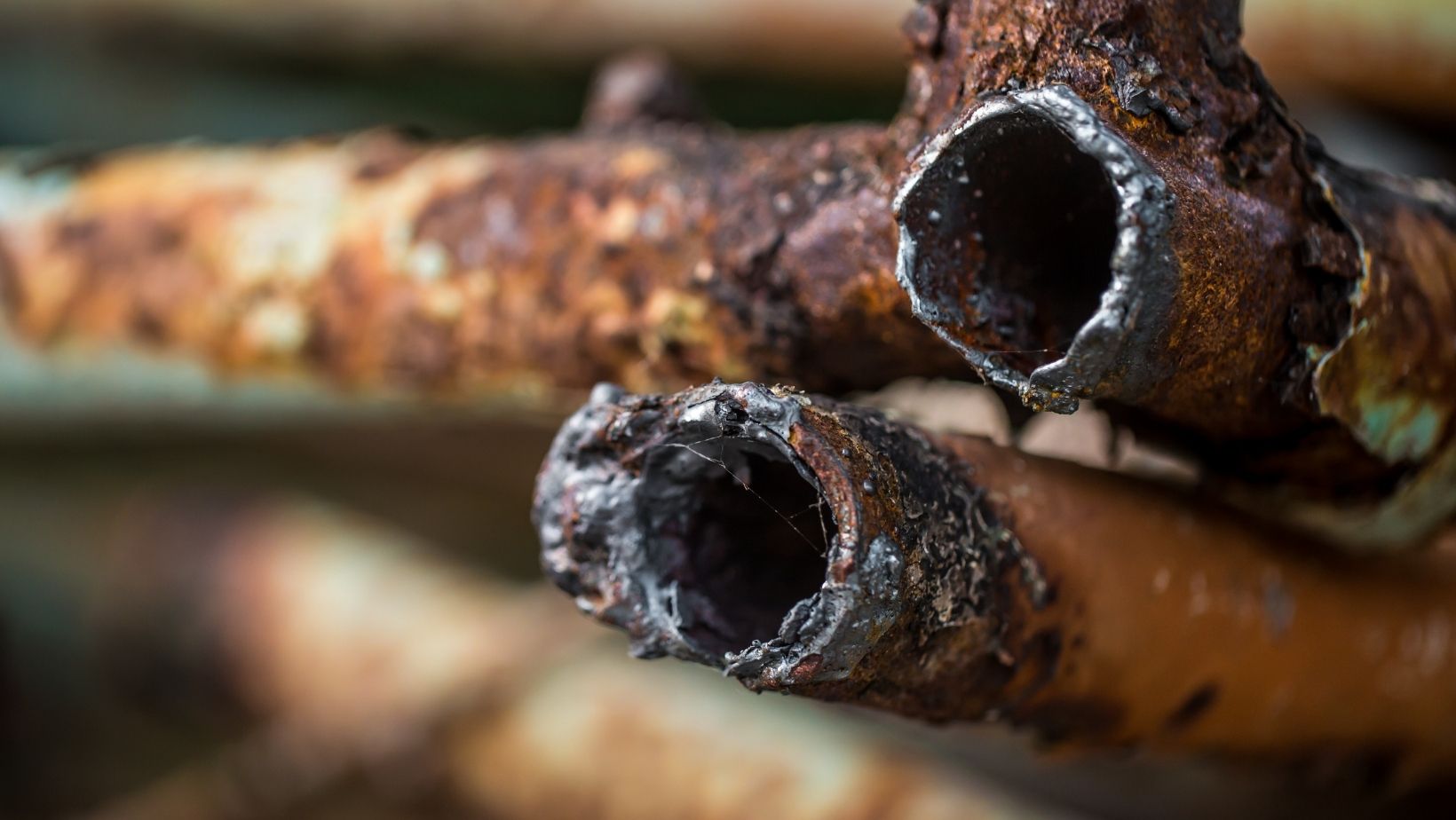
Water rarely causes major problems all at once, as it usually starts small, almost unnoticeable, then builds into something expensive and disruptive. Most property owners don’t realize the issue isn’t the water itself, but where it is allowed to go.
When drainage fails, water finds another path, and that path is often inside your structure. This is why understanding how poor drainage creates recurring intrusion is the difference between fixing a symptom and solving the problem permanently.
What Is the Connection Between Drainage and Structural Exposure?
Drainage systems are designed to control water movement, not eliminate it, and that distinction matters because water will always exist around a building in the form of rain, groundwater, or runoff.
When a system is poorly designed or neglected, water begins to accumulate in areas where pressure builds against foundations, walls, and flooring systems, eventually forcing its way through cracks, joints, and porous materials.
Over time, this repeated exposure weakens structural components, especially in areas like basements and crawl spaces where hydrostatic pressure is highest, and once water finds a consistent entry point, it keeps enlarging the space. This is why many buildings experience the same leak at the same location repeatedly, even after superficial repair.
Why Temporary Fixes Keep Failing
Many property owners focus on sealing interior damage without addressing the external drainage failure, which is why the problem keeps coming back despite repeated efforts. A sealed wall or patched crack may hold for a while, but if water pressure continues to build outside, it eventually overcomes those fixes, often in more aggressive ways than before.
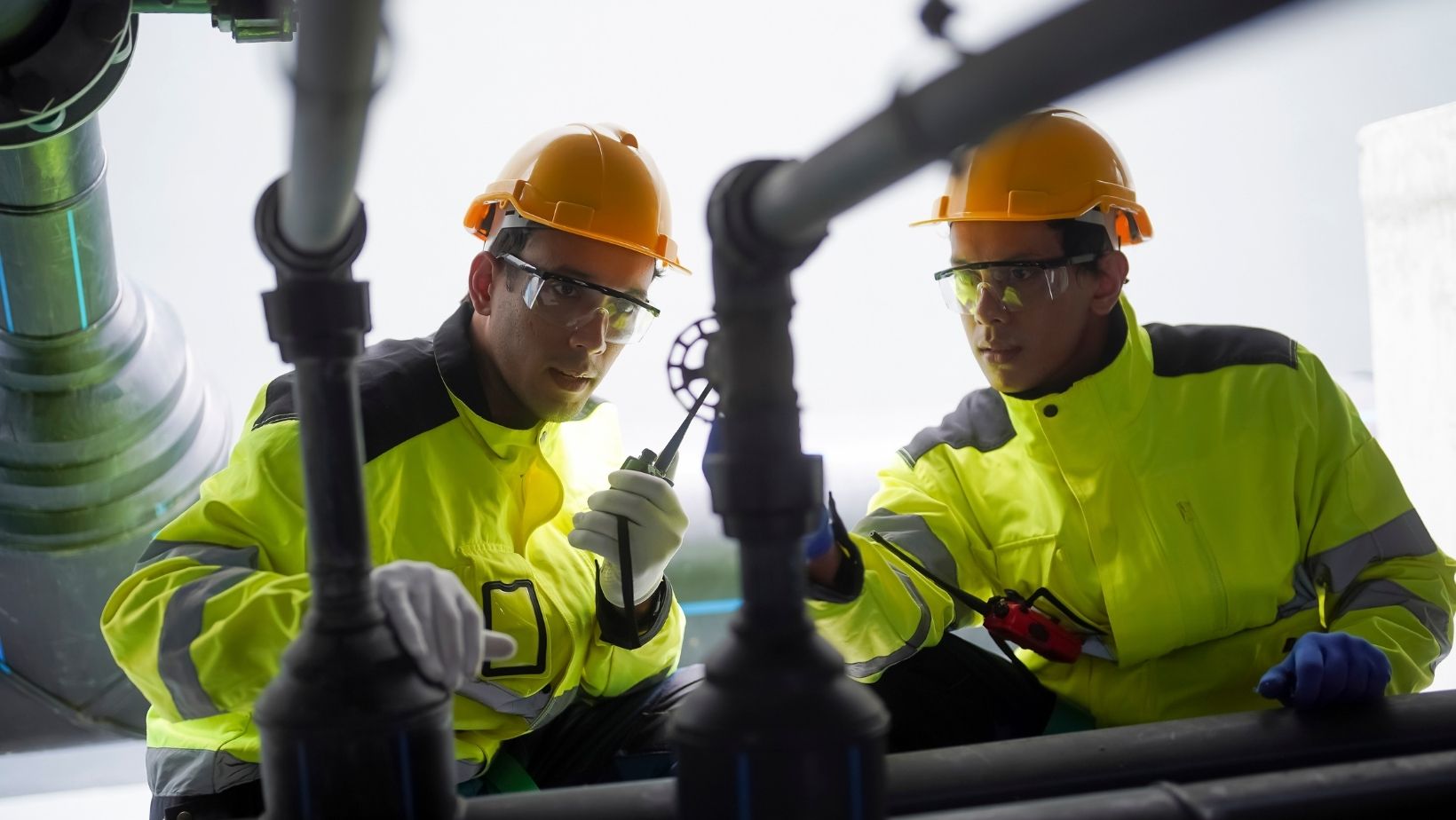
This pattern becomes clear in areas with recurring leaks, and professionals involved in water damage restoration Columbus often encounter properties where the real issue lies far beyond the visible damage, rooted in grading problems, clogged drainage paths, or poorly installed gutter systems.
What makes this worse is the false sense of resolution that temporary fixes create, leading owners to delay proper drainage correction while underlying moisture continues to compromise materials, insulation, and even air quality.
How to Fix the Main Problem Instead of the Symptoms
Permanent solutions require shifting focus from interior damage control to exterior water management, which means correcting grading, ensuring proper gutter function, and installing effective drainage systems that actively move water away from the structure.
It also involves regular inspection and maintenance, because even a well designed system can fail if it becomes clogged or damaged over time, bringing the problem back. When drainage is handled correctly, water intrusion stops being a recurring issue and becomes a controlled risk, which is ultimately the goal of any long term property protection strategy.
Endnote
Repeated water intrusion is rarely a mystery because it is usually the predictable result of allowing water to collect where it should have been redirected. Until drainage is treated as the primary issue, repairs will remain temporary, and costs will continue to accumulate. To permanently solve this, all you need to do is fix the path water takes, and the problem largely disappears.