

 Phaelariax Vylorn
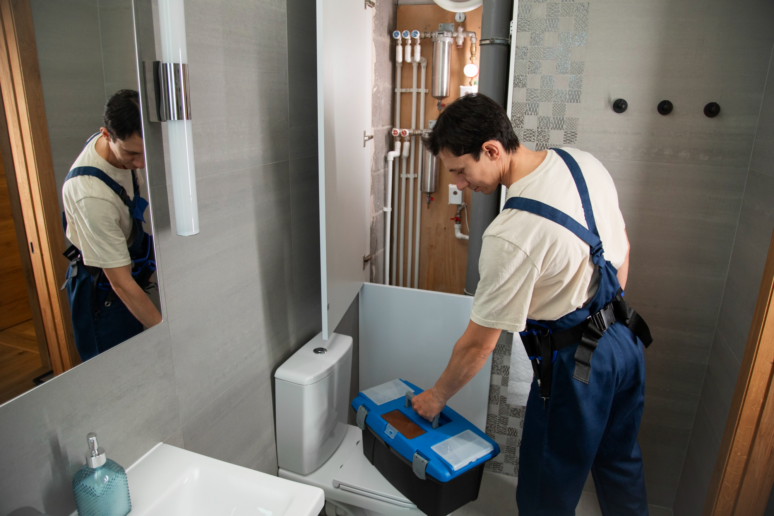
Bathroom remodels usually start with Pinterest and end with a plumber at 9 p.m. Homeowners get excited about the vanity, the rain shower head, the heated floors — and somewhere in that excitement, the pipes behind the wall become an afterthought. Which is a shame, because plumbing is the one part of the job that actually decides whether the renovation holds up over the next twenty years or turns into a slow-motion disaster.
Water-damage claims are far more frequent than fire claims and collectively account for a major share of homeowners’ insurance losses. Bathrooms are an important source of preventable interior water damage. A tiny, loose fitting behind a fresh vanity can go on leaking for weeks, hidden away and silent, slowly sponging the subfloor and wicking moisture right up into the walls. So before you get too hung up on which faucet finish to pick, it’s worth having a real conversation about what’s actually going to protect your investment.
Why a small plumbing mistake can cost you big
Cosmetic mistakes in a bathroom are annoying. Wrong grout color, tile that doesn’t quite match — fine, live with it or fix it later. Plumbing mistakes are a different animal entirely, because they’re usually invisible until they’re not. Drywall and tile hide everything. A slow drip inside a wall can run for months without a single visible sign, and by the time a stain shows up on the ceiling below, there’s often mold, rotted subfloor, or ruined insulation involved too.
There’s also the layout trap. Moving a toilet three feet across the room sounds simple on paper, right up until someone realizes the drain line needs a specific slope to work with gravity — usually around a quarter inch of fall per foot of pipe. Get that wrong, and waste won’t clear properly, no matter how nice the new toilet looks. This is exactly the kind of thing that separates a DIY weekend project from a job that needs a licensed hand. Older homes around the Niagara region, for example, especially tend to have quirky, decades-old drain runs that don’t follow modern code, so anyone reworking lines or moving a wet wall should really have that conversation with a plumbing St Catharines contractor before demo day, not after the tile’s already up.
Plan before you demo
It’s tempting to just start ripping things out. Demolition without a plan is just a fancy way of finding problems you weren’t ready for — like a load-bearing wall you swore wasn’t there, or a cast iron drain that’s so far gone, a patch job would be like putting a Band-Aid on a sinking ship.
A few things to nail down before the demo starts:
- Where the main shutoff valve is, and whether it actually works
- Supply lines — steel, copper, or PEX? Figure it out first. Wrong mix equals corrosion
- Check the drain line’s slope and its condition
- Whether the vent stack needs to move if fixtures are relocated
- Local permit requirements, because moving plumbing almost always triggers an inspection
The fixture swap illusion
Swapping a toilet or a faucet feels low-risk. It’s really not, not entirely. Old shutoff valves are basically ticking time bombs. They sit there for ten, fifteen years doing nothing, and the second you actually need to use one? Crack.
The same logic applies to wax rings under toilets. They’re cheap, they’re simple, and somehow they’re still one of the most common causes of hidden bathroom leaks. A wax ring that doesn’t compress evenly — because the flange is slightly out of level, or the toilet wasn’t torqued down right — can leak for a long time before it’s obvious. By then, the subfloor around the toilet base has usually gone soft.
Materials matter
Not all pipe is created equal, and mixing types incorrectly can quietly wreck a renovation from the inside. Connecting copper directly to galvanized steel, for instance, sets up a process called galvanic corrosion — basically two dissimilar metals reacting where they touch, which eats away at the pipe over time. It’s slow. It’s also completely preventable with a simple dielectric union, which most people have never heard of and most plumbers use without thinking twice.
PEX is the go-to for bathroom remodels now — and there’s a reason. It’s flexible, freeze-resistant, and installs fast. Copper’s still fine, but PEX just makes more sense for most jobs. One downside: PEX + sunlight = bad. Cover any exposed runs near windows or skylights.
Ventilation is part of the plumbing system too
Bathroom ventilation and plumbing are connected, not separate systems. Every drain requires a vent. Without one, water doesn’t flow right, drains gurgle, and the trap can siphon dry. Then sewer gas comes right up through the fixture, and your brand-new bathroom smells like a plumbing mistake.
A bathroom without proper exhaust holds humidity that condenses inside walls, around pipe penetrations, under the vanity. Over a year or two, that moisture does real damage — swollen cabinetry, mold behind tile, corroded metal fittings. An exhaust fan rated for the room’s square footage, vented straight outside rather than dumped into the attic, solves most of it for a relatively small line item in the budget.
A few habits that prevent disasters
Beyond the big structural stuff, a handful of smaller habits go a long way:
- Pressure-test new supply lines before closing up walls — run water for 24 hours and check every joint
- Use braided stainless supply lines instead of the cheap plastic ones that ship with budget fixtures
- Install an access panel behind the tub or shower valve instead of tiling over it completely
- Keep photos of the plumbing layout before drywall goes up, for future reference
So many bathrooms get fully tiled shut, and the first time something needs fixing — a leaking shower valve, usually — the only option is smashing through finished tile. A twelve-dollar access panel avoids that entirely.
Wrapping it up
A bathroom renovation lives or dies behind the walls, not in front of them. The tile, the fixtures, the paint color — all of that is reversible, more or less. Plumbing mistakes are the ones that come back around, usually at the worst possible time, usually more expensive than they would’ve been to prevent. Slow down before demo day, know what’s actually running through those walls, and don’t be shy about calling in a professional for anything involving drain slope or line relocation.