 Quorithan Zyraxul
Modern premium kitchens are increasingly defined by clean architectural lines, refined materials, and carefully integrated functionality. Among the most influential trends in high-end kitchen design is handleless cabinetry, which creates a streamlined appearance while supporting practical, contemporary living.
For contractors and interior designers, handleless cabinetry offers more than visual appeal. It provides opportunities to create cohesive kitchen compositions, optimize storage, and achieve a sophisticated finish that complements modern residential interiors. When paired with premium materials, integrated appliances, and thoughtful spatial planning, handleless cabinetry can transform an ordinary kitchen into a highly refined living space.
Why Handleless Cabinetry Is a Defining Feature of Premium Kitchens
Traditional cabinet handles can introduce visual interruptions across a wall of cabinetry. Handleless systems eliminate these interruptions, allowing cabinet fronts, appliances, and architectural elements to read as one cohesive composition.
This minimalist approach is particularly effective in open-plan homes, where the kitchen often connects directly with dining and living areas. Without protruding handles, cabinetry appears more like built-in furniture or architectural millwork, helping designers create a consistent visual language throughout the space.
For contractors, handleless systems can also support a more precise installation aesthetic. Consistent cabinet alignment, carefully controlled gaps, and integrated opening mechanisms create the crisp appearance expected from high-end residential projects.
Key Elements of Modern Premium Kitchen Design
A successful premium kitchen is not simply a collection of expensive materials. It is the result of coordinated decisions involving layout, cabinetry, finishes, lighting, appliances, and ergonomics.
1. Minimalist Cabinet Profiles
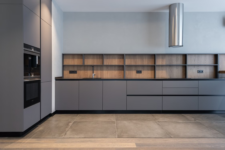
Handleless cabinetry places greater emphasis on the quality of the cabinet fronts themselves. Flat-panel doors with concealed opening mechanisms create a calm and uncluttered appearance.
Designers can choose between different handleless approaches, including recessed profiles, integrated rails, push-to-open mechanisms, and electronically assisted opening systems. The appropriate solution depends on the cabinet type, desired aesthetic, budget, and functional requirements of the project.
For tall units and large storage walls, a consistent handleless treatment can make the cabinetry appear visually lighter while maintaining substantial storage capacity.
2. Sophisticated Material Combinations
Material selection is central to creating distinctive premium kitchens. Contemporary projects frequently combine multiple finishes rather than relying on a single material throughout.
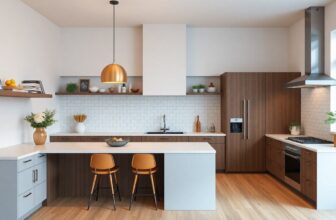
Matte lacquer, textured wood, stone-effect surfaces, glass, metal accents, and natural stone can be layered to create depth and contrast. For example, warm wood cabinetry can soften a minimalist composition, while a stone island can establish a strong architectural focal point.
The key for designers is balance. Too many contrasting materials can make a kitchen feel fragmented, while a carefully controlled palette creates a more sophisticated result.
3. Integrated Appliances
Handleless cabinetry works particularly well with integrated appliances. Refrigerators, dishwashers, ovens, and other equipment can be concealed behind matching cabinet fronts or positioned within coordinated appliance columns.
This approach maintains uninterrupted cabinetry lines and reduces visual clutter. It is especially valuable in open-plan interiors where homeowners want the kitchen to function efficiently without dominating the overall living environment.
Contractors should coordinate appliance specifications with cabinet dimensions early in the project. Accurate planning is essential because integrated appliances require appropriate ventilation, clearances, electrical connections, and installation tolerances.
Creating a Functional Layout
A visually impressive kitchen must also perform well. The most successful premium kitchens combine sophisticated aesthetics with an efficient workflow.
Designers should consider how users move between food storage, preparation, cooking, cleaning, and serving zones. The position of the refrigerator, sink, cooktop, oven, and primary preparation areas should support natural movement and minimize unnecessary steps.
Island layouts remain popular because they can combine preparation space, storage, seating, and social interaction. In larger residences, a separate pantry or utility kitchen can further improve functionality by keeping bulk storage and secondary appliances away from the main entertaining space.
Handleless cabinetry can be particularly effective in these larger layouts because it creates continuity across extensive cabinet runs.
The Role of Lighting in Contemporary Premium Kitchens
Lighting can significantly influence how cabinetry materials and finishes are perceived. A layered lighting strategy should generally incorporate ambient, task, and accent lighting.
Under-cabinet lighting can illuminate preparation surfaces without introducing additional visual clutter. Integrated lighting within tall cabinets or display areas can highlight selected finishes and accessories. Pendant lighting above an island can provide both task illumination and a decorative focal point.
For designers working with dark or matte cabinet finishes, lighting deserves particular attention. Without sufficient illumination, darker surfaces may absorb light and make a space feel smaller. Carefully positioned lighting can instead emphasize texture and create a sophisticated atmosphere.
Luxury Kitchens: Designing for a Refined Experience
The growing demand for luxury kitchens reflects a broader shift in how homeowners view the kitchen. It is no longer simply a functional room. In many contemporary residences, it serves as a workspace, dining area, entertainment zone, and social hub.
For contractors and interior designers, this means premium kitchen planning needs to consider the entire residential environment. Cabinetry should complement flooring, wall finishes, architectural details, lighting, and furniture rather than being treated as an isolated element.
The handleless aesthetic is particularly useful in this context because it can bridge the gap between kitchen cabinetry and the wider interior. A carefully selected finish can echo materials used elsewhere in the home, creating visual continuity.
Contemporary Luxury Kitchen Designs and Customization
One advantage of contemporary luxury kitchen designs is the flexibility to customize the space around the client’s lifestyle.
A professional kitchen design may incorporate dedicated drawers for cookware, concealed small appliances, pull-out pantry systems, internal organizers, wine storage, display cabinets, and specialized drawers for waste separation.
Customization should be considered at the planning stage rather than added as an afterthought. Contractors and designers can work from the homeowner’s cooking habits, storage requirements, family size, and entertaining preferences to determine the most effective cabinet configuration.
The result is a kitchen that looks minimal from the outside while offering substantial functionality behind the doors.
What Contractors Should Consider During Installation
The clean appearance of handleless cabinetry makes installation precision especially important. Small inconsistencies in cabinet alignment can become highly visible when there are no handles to distract the eye.
Before installation, contractors should verify wall conditions, floor levels, cabinet dimensions, appliance specifications, electrical requirements, plumbing positions, and ventilation provisions.
Coordination between designers, cabinet suppliers, appliance manufacturers, electricians, plumbers, and installers is essential. A detailed installation plan can help prevent costly adjustments and ensure that the finished kitchen meets the intended design standard.
Quality control should also include checking door alignment, gaps, opening mechanisms, drawer operation, and the consistency of visible surfaces.
Building Premium Kitchens That Last
A premium kitchen should be designed for long-term performance as well as immediate visual impact. Cabinet construction, hardware quality, surface durability, moisture resistance, and maintenance requirements all influence the lifetime value of the installation.
Designers should consider how selected finishes will respond to daily use, sunlight, cleaning products, heat, and humidity. Contractors should also ensure that installation methods follow the manufacturer’s requirements to protect both appearance and performance.
When these factors are addressed from the beginning, handleless cabinetry can deliver a modern aesthetic without sacrificing everyday usability.
Final Thoughts
Handleless cabinetry offers a compelling solution for modern premium kitchens, combining minimalist aesthetics with practical storage and integrated functionality. Its clean geometry works particularly well in contemporary residential projects where the kitchen needs to complement the wider architecture.
For contractors and interior designers, the strongest results come from treating cabinetry, materials, lighting, appliances, and installation as one coordinated system. With careful planning and high-quality components, a handleless kitchen can deliver the refined appearance, functionality, and durability expected from a premium residential project.
Ready to create a premium kitchen for your next project? OPPOLIA provides whole-house solutions, from design to installation. With over 10,000 overseas projects completed and thousands of clients served, OPPOLIA has extensive experience delivering tailored residential solutions. With more than 2,700 showrooms worldwide, OPPOLIA makes it easier for homeowners, contractors, and interior designers to explore professional kitchen solutions.
Contact OPPOLIA today to learn more about OPPOLIA kitchen collections and get a free quote for your project.