
Practical Landscape Design with Your Own Hands
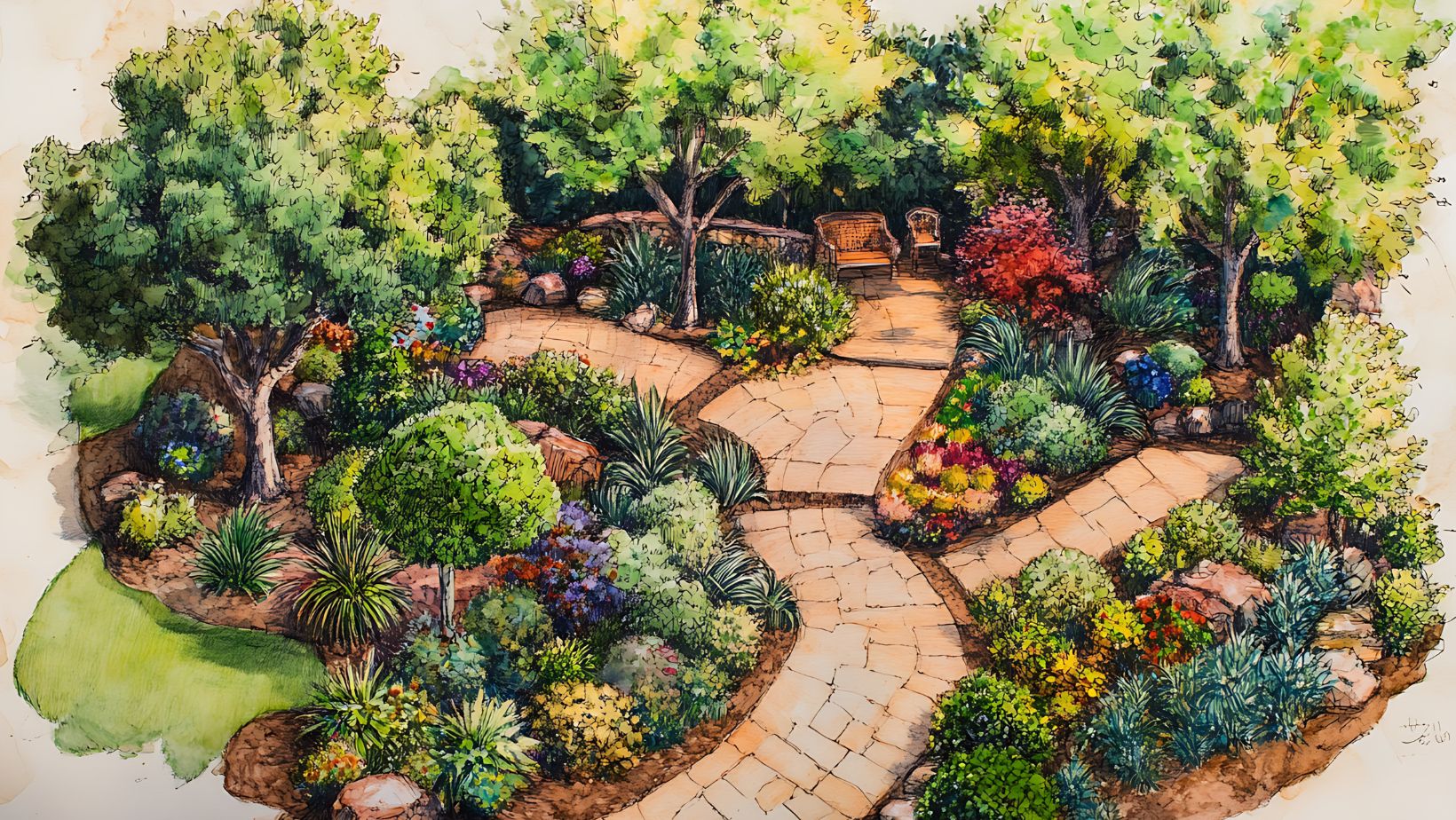
Let’s be honest. A lot of landscaping guidance can make you feel like you need a horticulture degree and a trust fund to get started. It’s all grand “vision” and transient fads. But what if we thought about our yards differently? Never mind that perfect lawn for Instagram, at least for a moment. This is a utilitarian, sweat-equity kind of beauty – one that saves you money, time and hassle while giving you more space in which to live. Homeowners planning major yard improvements can also explore mortgage programs offered by LBC Mortgage to finance projects without stretching their budget.
Consider it functional fashion for the outdoors! It is the hospitable road that doesn’t flood when it rains. The resilient shrub that feeds the birds and demands nothing in return. The deck you constructed with your own hands over your coffee every morning. And this isn’t about making more work for yourself; it’s about creating a yard that works for you. We’re going to clear away all the kerfuffle of fancy terminology and complex designs. Here, we’ll get to the nitty-gritty: problem-solving, figuring out how to make plants that can live your real life and making things last with your own two hands. Ready to get dirt-smart? Now, let’s break down the foundations of truly useful landscaping.
Planning Your DIY Landscape
The first phase of any landscaping project is planning and design. Begin by evaluating your yard – the size and shape, how much sunlight it gets, drainage conditions and existing features. Notice any areas that might need repair or improvement, such as uneven ground or crappy soil. After you know your space, define its aims. Do you want somewhere quiet or a place to play, and entertain? Understanding the function of each zone will allow you to make decisions on how to focus your time, as well as which plants and elements you should include.
Budgeting is equally important. Not even a basic DIY project is immune to getting expensive if you don’t plan well. Determine how much time and money you want to spend. Begin with small, discrete endeavors that are easy to control and expand from there. Select only plants that are suitable for your climate to minimize maintenance and increase the likelihood of success. Remember: Some plants are faster growing than others, so planning for spacing and future growth is key.
There are plenty of software and web programs that can be used to design – or even draw on paper with rough sketches – your yard and where you’d like new zone, plant beds, hardscape. This doesn’t have to be professional; just a rough sketch to better picture the finished product. Consider flow and access, walkways should facilitate movement, high-traffic areas should be easily accessible.
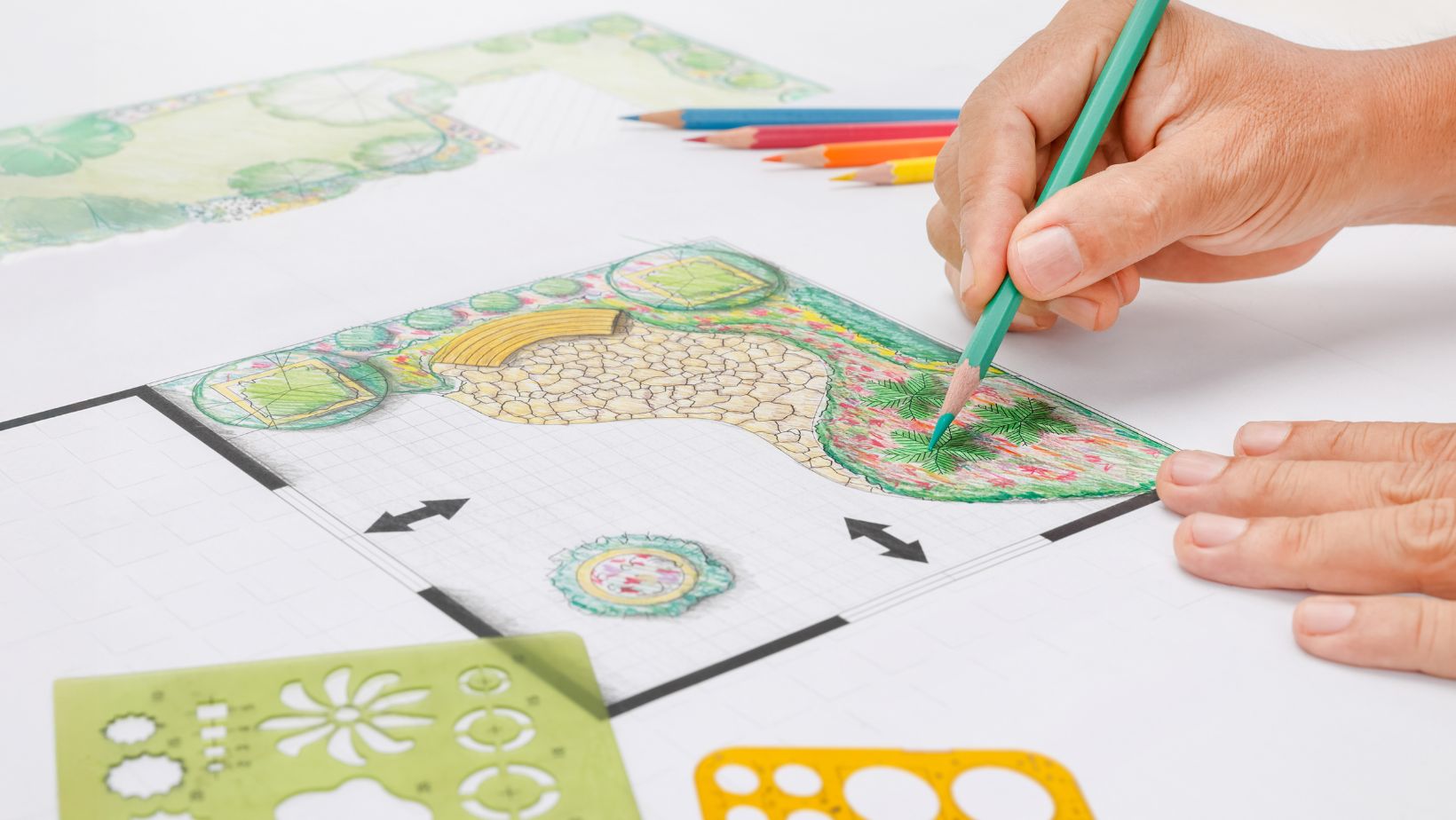
Planning should also pertain to the materials: What’s the life span, cost and look of items like stones, mulch or outdoor furniture? A well-defined plan minimizes errors, avoids wasting hard work and keeps your focus on the things you have to do confidently. With a little planning and some achievable goals, DIY landscaping evolves into an orderly and exciting block of time you will look forward to.
Soil, Plants, and Hardscape Essentials
Knowing the soil and plant requirements is key to a healthy backyard. Begin with a soil test to measure pH, drainage and nutrients. Add compost or fertilizer to soil if required. Healthy soil is the key to a low-maintenance yard because it encourages healthy plants that don’t require constant watering or replanting.
Picking the proper plants is just as critical. Select species that will do well in your climate, soil and light. Native varieties require less maintenance and are more tolerant of pests and weather changes. Keep in mind the height, spread and season of interest for each plant when laying out beds. Perennials and annuals can be mixed to provide color year-round, but planting some taller perennials among shorter flowers adds visual interest.
Hardscaping is what gives the yard structure and form to complement the plants and make it usable. Paths and patios, raised beds and retaining walls, modest places to sit or simply stomp around all give shape – border, edge definition, if not enclosure – to the ground.
Consider materials that fit your budget and design taste when choosing the material. Gravel or mulch trails cost less and are easier to put in, while the stone or concrete variety last longer but demand more labor. Not only do they look neat, but raised beds also help improve soil quality and ensure water drains easily for the plants growing in them.
Don’t forget irrigation. Even the most drought-tolerant plants require regular watering, particularly while they are getting established. Drip irrigation or soaker hoses use water more efficiently and require less labor than sprinklers.
Careful arrangement of plants and hard scape promotes treatment ease and integrity. Good soil, appropriate plants and useful hard scape such as patios or walkways are the essence of a functional, sustainable and appealing DIY landscape.
Maintenance and Seasonal Tips
More about how to maintain a DIY landscape Just as important as planning and installing one is how to maintain it. Regular care means healthy plants, clean paths and fresh furniture.
Easy habits such as watering, pruning, weeding and fertilizing are all it takes to keep your yard looking good all year round. A maintenance plan can help to stop preventable problems before they develop into costly or time-consuming. Here are some best practices for ensuring a beautiful DIY landscape:
- Watering techniques: Deep, infrequent watering promotes strong root growth.
- Irrigation solutions: Employ drip lines or soaker hoses to save yourself some water – and several hours of hand-watering.
- Mulching: Retains soil moisture and reduces weed growth around plants.
- Seasonal planting: Spring is ideal for new flowers and soil refreshment.
- Summer adjusts: Offer more shade or watering for plant health.
- Fall preparation: Trim perennials and protect sensitive plants from frost.
With regular attention and a little seasonal planning, your DIY landscape is always functional and attractive according to the way you want to use it throughout the year, thus ensuring your backyard is a place that brings joy every day.