
 Phaelariax Vylorn
Many homes in Fredericton, Canada, experience windstorms several times every year. If you are a resident, you already know that large-scale destruction is also common once every one to three years. The risk of storm damage typically runs from summer through late fall. During summer, severe thunderstorms can cause power outages and bring trees or large branches down onto roofs. In late fall, intense winds can lift shingles, damage flashing, or create other structural issues. Heavy rainfall can increase the risk of water intrusion and hidden leaks. No matter the cause, homeowners must know how to protect their roofs and homes after a storm.
Tackling different types of storm-damaged roofs
Both new and old roofs can be vulnerable to storm damage. Older roofs may withstand harsh weather a little less effectively and can suffer more extensive damage over time. Their structural integrity may already be compromised by age, wear, or prior exposure to weather. Whether your roof is new or old, make sure to contact an agency that specializes in storm damage roof repair Fredericton. Timely repairs can help prevent bigger losses. If you understand the type of storm damage your roof has suffered, you can take quicker and more effective action. Here are a few quick insights on this.
Wind damage
This type of storm-related roof damage is widely experienced in the city during thunderstorms, tornadoes, and hurricanes. Due to strong winds, roofing materials can loosen, crack, or break down, allowing water to enter your home. You should contact a licensed roofer immediately for emergency services and a proper inspection. Professionals can usually fix minor damage within one to three days. However, moderate or extensive damage may take one to four weeks to repair, depending on the severity of the issue and weather conditions. Visible signs of wind damage include:
- Missing shingles.
- Peeling or curling shingles.
- Lifted shingle edges.
- Damaged flashing.
- Granule or debris accumulation.
Water damage
Roofing systems may give way during heavy rainfall. If a leak occurs, your entire house’s structural strength can be at risk without timely intervention and proper repairs. Water intrusion can gradually weaken roofing materials, insulation, and even interior structures. Generally, insurers don’t cover water damage caused by maintenance issues. You must prove that a storm event caused the damage. An expert roofer can help you inspect the damage, document the issue, and determine the cause. However, how do you know it is water damage? Look for the following signs:
- Water leakage near roof valleys, vents, and around chimneys.
- Yellow, brown, or dark water marks on walls and ceilings.
- Mould patches in attics, on walls, and on ceilings.
- Weakened roof decking.
- Chipped wall paint.
- Musty smells in attics and upper floors.
- Rising energy bills.
Impact damage
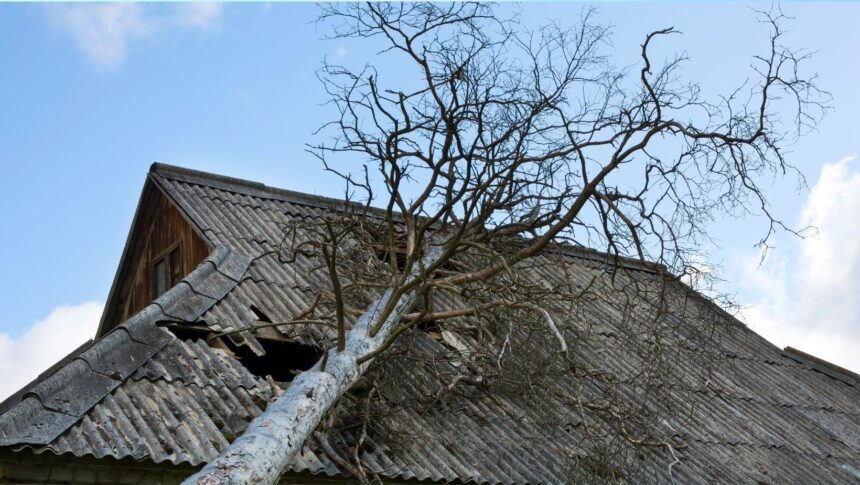
Severe storms can easily cause heavy objects, such as large tree branches, to fall onto your roof. This can seriously damage the roofing structure and compromise the overall safety of your home. It can eventually lead to water intrusion, insulation damage, and interior structural issues. For this type of damage, you should contact emergency roofing services without any delay. The entire repair and restoration process may take anywhere from two to eight weeks, depending on the extent of the damage and the scope of the work involved. Signs of impact damage often include:
- Trees, tree branches, or limbs on the roof.
- A punctured roof.
- Damaged shingles, trusses, and rafters.
- Collapsed chimneys.
- Cracks or openings in the ceiling.
Several types of storm-related roof damage can occur. In either situation, you need professional support. For help, visit Artisanroofing.ca.