 Phaelariax Vylorn
Home automation is no longer limited to interior systems. Lighting, security, climate control, appliances, and energy management are now standard components of many residential upgrades. Outdoor living spaces are following the same direction. Homeowners increasingly expect patios and terraces to provide the same level of control and convenience available inside the house.
Smart Home Comfort Is Moving Outdoors
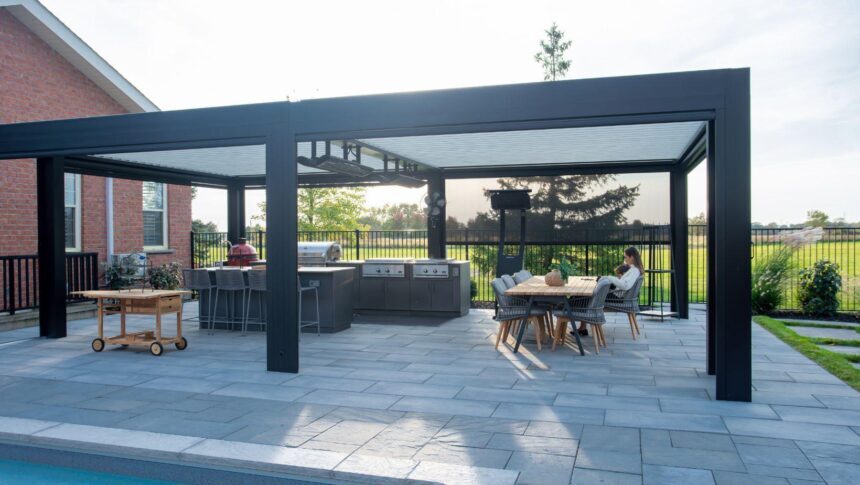
A motorized pergola extends automation into outdoor living areas. Instead of manual adjustment or timing shade adjustments manually, homeowners can control the roof operation through remotes, wall controls, mobile apps, or even via integrated automation systems.
In practice, the structure becomes a living part of the outdoors, not just a fixed shade structure. This whole approach fits with broader smart home trends, those aimed at convenience, efficiency, and environmental control.
What Makes an Outdoor Structure “Smart”
The defining feature of a smart pergola is automated control. Motorized louvers allow users to adjust sunlight, airflow, and shade without manual input. Integrated systems can integrate roof movement, lighting, and environmental sensors into a single control system.
Common smart features include:
These functions allow the pergola to respond to changing conditions while reducing the need for manual adjustment.
Weather Response Without Manual Effort
Weather conditions can change rapidly during storms. Rain sensors allow the roof system to close automatically once precipitation is detected. Wind sensors will trigger protective actions based on preset limits, not at any moment. Automated louvers, sunlight exposure can be managed throughout the day, with little to no user involvement.
All of this makes outcomes more consistent in practice. Outdoor furniture, dining spots, and seating areas stay safeguarded even if the weather changes without warning. Automation reduces the need for constant monitoring and manual control.
Energy and Comfort Benefits
Environmental control improves comfort and energy efficiency. Shade positioned near windows and glass doors reduces solar heat gain. Reduced sunlight exposure lowers interior glare and decreases cooling demand in warm conditions. Outdoor seating areas remain usable for longer portions of the day.
A controlled roof system also improves patio comfort by regulating sunlight and ventilation. The result is greater use of outdoor areas without relying on temporary shade products or portable cooling equipment.
Performance depends on placement, orientation, and climate conditions, but shade management remains one of the primary functional advantages of motorized systems.
Integrating the Pergola with Everyday Home Routines
Smart outdoor systems are most effective when integrated into daily routines. Morning settings can maximize sunlight and airflow. Evening settings can activate lighting and increase shade or privacy. Dining areas can be configured for specific times of day. Poolside spaces can adjust automatically as sunlight conditions change.
Automation allows multiple functions to operate through predefined schedules rather than individual adjustments. This simplifies routine outdoor use and increases consistency. The objective is functional efficiency rather than technology for its own sake.
Why Smart Features Still Need Strong Engineering
Automation improves functionality but does not replace structural requirements. Performance depends on structural posts, roof components, drainage systems, motors, fasteners, and installation quality. Weather exposure places continuous load on mechanical and structural systems.
Aluminum remains a common material because of its corrosion resistance and low maintenance needs. Drainage systems must manage water effectively when the louvers are closed. Motor systems must operate reliably under repeated use and varying environmental conditions.
Engineering quality determines durability. Automation determines convenience. Both are required for long-term performance.
The Smart Backyard Is Becoming Part of the Smart Home
Outdoor living spaces are increasingly integrated into broader home automation strategies. Homeowners now expect environmental control, convenience, and predictable operation in patios and terraces as well as interior rooms.
Motorized pergolas help with this shift by combining automated control with practical outdoor functionality, not only aesthetic but also functional. When they are paired with durable materials, reliable engineering, and a climate-friendly style, they fit into a broader trend in residential improvements.
Next-generation outdoor living focuses on automation, structural durability, and everyday usability.