
Inside Luxury Estates Quests: MyInteriorFlow’s Color Psychology Club For High-End Homes (2026 Guide)
 Phaelariax Vylorn
Luxury estates quests myinteriorflow color psychology club opened new doors for design teams and owners in 2026. The club maps color to mood and value. It gives clear steps for palette choice, spatial flow, and material pairing. The guide explains what the club does and how teams apply its methods in real projects.
Key Takeaways
- The Luxury Estates Quests MyInteriorFlow Color Psychology Club helps design teams and owners use color psychology to enhance luxury estates’ appeal and value.
- The club provides evidence-based methods and data to guide palette selection, spatial flow, and material pairing to increase perceived luxury and resale potential.
- Membership benefits include access to color libraries, case studies, live quest challenges, peer reviews, and on-site audits for informed design decisions.
- Core color principles taught include how color affects perceived scale, temperature, quality, and spatial flow tailored for large, high-end interiors.
- MyInteriorFlow’s tested palette strategies—cohesive neutrals, accent-driven contrast, and zoned temperature shifts—help create mood-aligned, functional luxury spaces.
- Joining the club involves a structured process of auditing, testing in real settings, and scaling successful color choices to optimize design impact and marketing results.
What The Club Is And Why It Matters For Luxury Estates
MyInteriorFlow runs the luxury estates quests myinteriorflow color psychology club as a membership for high-end design professionals and owners. The club studies color effects in large residences. It tests palettes in model suites and records emotional, visual, and financial outcomes. The club uses controlled trials and proprietary scoring to measure perceived luxury, comfort, and resale intent. Luxury buyers often react first to color and material. The club turns that reaction into data and action. The club matters for luxury estates because it reduces guesswork. It gives owners evidence to pick palettes that increase appeal and price perception. It gives designers repeatable methods to match brand intent to room function. Developers use the club to shape model homes and marketing photography that sell faster.
Who Should Join And The Practical Benefits For Designers, Owners, And Developers
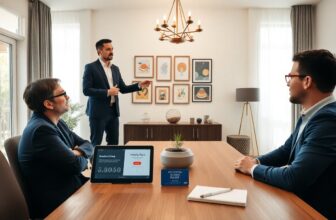
Designers who focus on high-end interiors should join the club. Owners of luxury homes and estates should join to make informed updates. Developers of custom and spec properties should join to improve sales photos and staging. The club gives members access to color libraries, case studies, and palette audits. The club provides quest challenges that test palette variations in live settings. Members gain faster decision cycles and lower rework costs. Designers save time in client approvals. Owners gain clarity on long-term value and lifestyle fit. Developers receive analytics they can use in marketing decks. The club also offers peer review sessions and supplier introductions. Members can request on-site audits and receive prioritized recommendations for paint, trim, and textiles.
Core Color Psychology Principles For High-End Interiors
The club teaches core principles that apply to large homes. It frames color by function, scale, and lighting. Principle one states that color affects perceived scale. Dark colors make large rooms feel intimate. Light colors make small spaces feel open. Principle two states that color affects perceived temperature. Warm hues make rooms feel cozier. Cool hues make rooms feel calm. Principle three links chroma and perceived quality. Low-chroma neutrals read as elegant when paired with textured materials. High-chroma accents draw attention and can highlight architectural details. Principle four ties contrast to legibility and flow. Careful contrast guides movement across rooms. The club shows how to balance these principles with materials such as stone, wood, and metal. The club avoids trend-only advice and focuses on how color supports function and value.
Applying MyInteriorFlow’s Approach: Spatial Flow, Materials, And Palette Strategies
MyInteriorFlow applies color rules through quests that simulate real use. Teams map sightlines, natural light, and furniture layout. They then test three palette strategies: cohesive neutral backbone, accent-driven contrast, and zoned temperature shifts. The cohesive neutral backbone uses a main neutral across major rooms. Teams add two coordinated accents in secondary spaces. This strategy aims to create calm continuity across an estate. The accent-driven contrast uses strong focal colors in key areas, such as an entry or media room. This strategy creates memorable moments for guests. The zoned temperature shifts assign warm palettes to private areas and cool palettes to public areas. This strategy aligns mood to activity. The club pairs each strategy with material guidance. For example, it recommends honed stone with muted palettes and polished metal with darker chromas. The club then scores each strategy for perceived luxury, daylight balance, and staging photography. Designers can use those scores to justify choices to clients and contractors.
How To Join, Participate In Quests, And Use Club Insights In Real Projects
Teams join the club through an online application and portfolio review. The club accepts design firms, owners, and development partners. Members receive access to the quest portal and the color library. Quests run monthly and focus on a single room type or material system. Members enter a brief, submit digital mockups, and schedule a live test in a partner suite when needed. The club provides templates for client presentation and procurement lists. Members can license palette packs and photography rights for listings. The club also offers on-demand audits for a fee. Teams can carry out club findings in three steps: audit, test, and scale. First, members audit existing palettes and materials against club metrics. Second, members run a small test in a suite, garden, or staged space. Third, members scale successful palettes across the project and document results for sales and marketing. The club shares aggregated performance data with members to refine future choices.