

 Phaelariax Vylorn
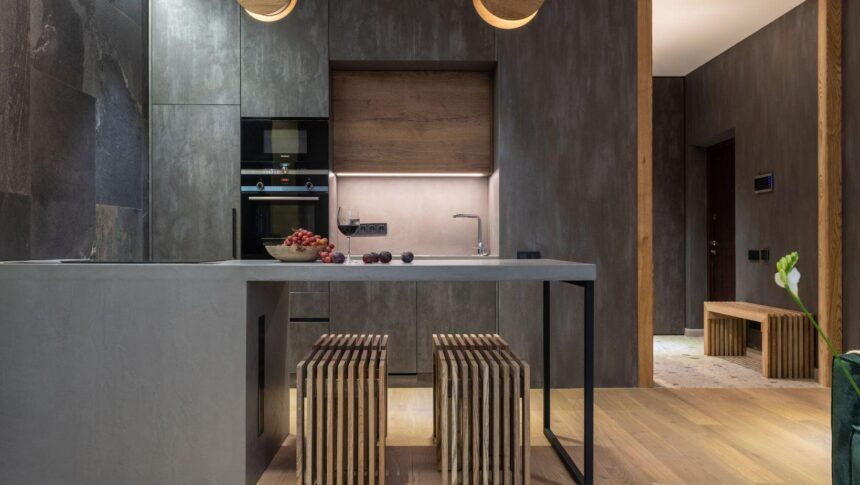
Concrete used to be the material you poured and then covered up. A foundation, a split-level car park, the underside of a motorway bridge – the sort of structural skeletons that nobody was ever meant to look at directly, or, at least, for a prolonged amount of time.
Somewhere in the last couple of decades that changed, and the same grey slab that used to get rendered over or clad in stone became something architects specify on purpose, left bare. Some call it unfinished, some say that the bareness is the point.
Ask a contractor from thirty years ago to leave a wall unrendered and he’d have assumed you’d run out of budget halfway through the job.
Brutalism’s Influence
Brutalism spent a long stretch being the architectural style everyone loved to hate, all those raw concrete civic buildings written off as cold and hostile. But, as with most things, we all started to gradually change our minds – just like we did with New Coke or middle partings.
Museums started running exhibitions on it, heritage bodies began listing brutalist buildings like Southbank Centre for protection, and what had looked like austerity started reading as frankness and honesty instead.
Then, the residential clients followed suit…
Concrete’s move to the great indoors
Polished concrete floors are the obvious entry point, cheaper than natural stone at scale and durable enough that a family with muddy boots and a dog doesn’t need to think twice about it.
Kitchen islands, bathroom vanities, shower surrounds, even freestanding baths get poured in concrete now, sometimes pigmented, sometimes left with the timber grain of the formwork still visible in the surface. It reads as deliberate rather than unfinished, provided whoever poured it knew what they were doing, which is not a given. It also holds heat well, something that matters more than people expect once the underfloor heating’s been running all winter and the bill turns up.
Concrete does its best work outside
Landscaping is where concrete gets to show off a bit. On a sloped plot, a poured concrete structure can do things timber or brick simply can’t, holding back a full storey of soil on a single visible face. A well-engineered cantilevered retaining wall resembles a piece of the building extending into the garden, which is exactly the trick luxury landscaping has been chasing for years, blurring the line between the house and the ground it sits on.
Unlike a timber-clad retaining structure that tries to camouflage itself with the surrounding browns and greens of the shrubbery, it won’t need replacing every couple of decades – even if it’s holding back something wet.
Then again, because of the fact that even the smallest of details will show itself quite plainly on those naturally polished looking surfaces, anyone commissioning concrete for its looks should budget for looking after it like they would any other material with a surface worth protecting, oak floors, natural stone, brushed brass, whatever the next expensive thing turns out to be.