 Phaelariax Vylorn
People tend to overthink lawn care. They either ignore the lawn entirely until it looks like a jungle, or they go deep into fertilizer schedules and soil pH charts before they’ve even figured out when to water. Neither extreme works. Good lawn care is mostly about doing a few things consistently and understanding why they matter.
If you’re new to this, here’s what you actually need to know.
Start With Your Soil, Not Your Grass
The grass is just the symptom. The soil underneath is the real story.
You need to determine what your soil lacks before you even begin to look at buying products or changing habits. For an affordable price, you can get a soil test from your local gardening store or purchase one online. What this test does is provide you with information on whether your soil has too high a PH level, too low a PH level, or is lacking in some type of nutrient. A single test could take months off your frustrations. No matter how much water you give your lawn and how many seeds you plant, it won’t grow in poor soil conditions. Most lawns have optimal growing conditions in soils that have a PH level ranging from 6.0 to 7.0. However, if your lawn is below that range or above that range, using a bag of lime to increase the pH or sulfur to decrease the pH will truly help – and it’s very affordable.
Mowing Height Matters More Than Frequency
Most beginners mow their lawns way too short. The initial appearance may be tidy, but this will cause stress on the turf, dry it out much quicker, and provide a better environment for weeds to grow.
You should never remove more than a third of the total height of the grass when cutting. Most cool-season grasses should stay between 3 and 3.5 inches. Some warm-season grasses, such as Bermuda and Zoysia, can be mowed at a shorter height, as these are more tolerant grass species.
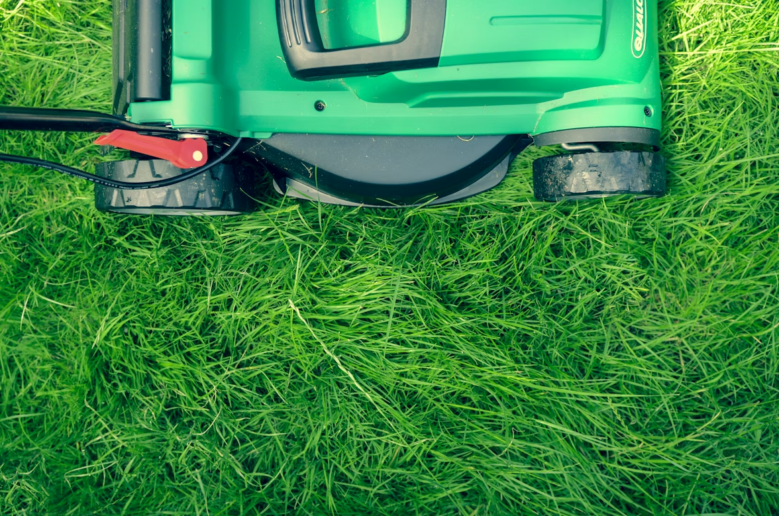
Using sharp blades when mowing your lawn is also important. Dull blades tear the grass rather than cutting it clean. This creates browning at the ends of the blades and also makes the lawn more susceptible to disease. If you’re due for a new mower, an electric mower removes a lot of the maintenance friction, since there’s no oil, spark plugs, or carburetor to deal with before you can even get started.
Water Deep, Water Less Often
Most newbies will want to give their lawn a small amount of water daily. This will teach the roots to grow closer to the surface, and in turn make your lawn weak and reliant on you.
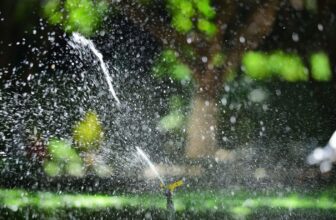
Instead, deep water your lawn less often, typically 2-3 times per week. This will help to encourage a deeper growth pattern for your lawn’s roots, where moisture hangs around longer. Having a deeper root system allows for greater drought tolerance and improves the health of your lawn.
It is ideal to water early in the morning. Grass dries throughout the day, reducing the chance of disease or fungal problems. Watering at night creates an environment that remains damp for far too long.
Via Unsplash
Fertilizing: Simple Is Fine
You do not need a complicated fertilizer rotation to have a great lawn. A basic slow-release nitrogen fertilizer applied two to three times a year covers most home lawns just fine.
Timing of fertilization is significantly more important than how much you apply. With cool season grasses – Fescue, Bluegrass and Ryegrass – the most important time to apply your fertilizer is fall because this is when the roots of these grass species are most active and are building up energy reserves for the coming year. Applying fertilizer in the spring also has its benefits, but it is during the fall that the largest increase in growth occurs. Warm season grasses like Bermuda, St. Augustine, and Zoysia should be fertilized from late spring through summer when these species are actively growing.
More fertilizer does not mean faster results. Overfertilizing burns grass and can create runoff issues. Follow the bag directions and resist the urge to add extra.
Weeds Are Easier to Prevent Than Remove
As soon as weeds are established, it will be much tougher to get rid of them. Applying a pre-emergent herbicide during spring can prevent at least some of these types of weeds, like crabgrass and other annuals, before they even germinate. It’s one of the highest-impact things you can do for your lawn’s appearance.
If you currently have weeds that need to be removed, then using an area specific post-emergent type of herbicide would work better than physically removing the weeds yourself if there are many weeds. Hand-pulling a few weeds yourself is acceptable for a few isolated spots. In general, the goal is to remove weeds as quickly as possible, as once weeds reach maturity, they become increasingly difficult to remove – they are harder to kill and quickly drop new seeds.
One of the most effective methods for preventing weeds from taking over your lawn is having a lush, thick, healthy lawn. Bare or thin spots in lawns allow weeds to take hold. To prevent this, overseed your lawn with additional grass in the fall so you will have fewer weed issues year after year.
Aeration and Overseeding: The Move Most People Skip
If your lawn has heavy foot traffic, clay soil, or patches of thin growth, aeration makes a real difference. Core aeration — where small plugs of soil are pulled out of the ground — relieves compaction and lets water, air, and nutrients reach the roots more effectively.
Pair aeration with overseeding, and you’ve done the most effective thing possible for a struggling lawn. Fall is the ideal time for both cool-season grass areas. The seeds make direct soil contact through the holes, germination rates go up, and you fill in thin spots before winter. This process will show results within a season giving your home that curb appeal everyone is after.
The Lawn You Actually Want Is Achievable
You don’t need to spend a lot of money or become an expert to have a lawn you’re proud of. Soil in decent shape, consistent mowing at the right height, smart watering, and a couple of seasonal applications of fertilizer will get you 80% of the way there.
The other 20% — aeration, overseeding, targeted weed control — is worth doing when you’re ready to take things up a notch. But start with the basics, do them consistently, and the results will follow. Lawn care rewards attention more than it rewards spending.