 Quorithan Zyraxul
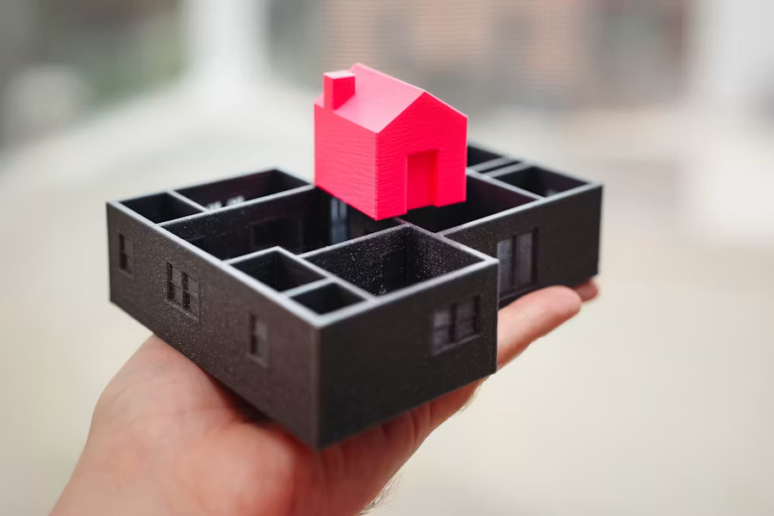
Your house could be wide-open and airy, and also feel like there are some parts missing, and the best way to define those parts without boxing them in is by creating soft boundaries.
Use Lines of Sight First; Then Use Barriers
Before you begin to make any changes to your home, go to the centre of the house and take a long look. Identify which paths your eyes travel easiest along, and which parts of the house appear confusing or unorganised. The main problem with many open floor plans is that they are all too easy to see at one time.
To organise these types of spaces, think about lines of sight. Positioning a sofa slightly away from a dining area can establish a line of sight. Using a console table near the beginning of a hall can establish a line of sight. Placing a rug under a sitting area can softly define a line of sight. All three ideas will provide definition for your space without restricting the flow of your home.
Allow Furniture to Establish Boundaries
Furniture has two jobs: it provides comfort and support to people who sit on it, and it establishes zones within the space. If your living area and dining area both exist in the same space, position each piece to support one zone. For example, chairs positioned at an angle can invite conversation. A dining table placed in a comfortable spot, rather than shoved into a corner, can provide a calm atmosphere.
As a general rule, avoid pushing all furniture up against walls. By leaving furniture with some empty space surrounding it, you may find that the space begins to feel more deliberate. Creating structure with the positioning of furniture rather than using mass can greatly benefit your home.
Select Room Separators Which Also Let Natural Light Pass Through
There will be times when dividing one space from another is necessary, especially when trying to achieve balance in a single room. Many times, dividers such as glass panels, shelves, screens and internal steel doors with glass panels can create separation without eliminating natural light.
Natural light is crucial because it allows the structure you have created to maintain the openness of your home. A divider does not have to make your home feel smaller. A divider can allow you to create a peaceful kitchen, a productive workspace or a clearly defined entryway while maintaining the overall feeling of unity throughout your entire home.
Use Similar Materials Throughout the Space to Provide Unification
The design of our homes becomes less chaotic when elements have a common thread. While we do not want every element to be identical, repeating similar materials can aid in tying together unrelated areas. Examples of materials include wood tone colours, black accents, natural fabrics, stone textures or soft neutral colours used consistently from room to room.
Repeating similar materials will create a sense of rhythm. Your eye will recognise the pattern, and this will lead to your home having an even greater sense of calmness.
Consider How People Will Live In The Spaces As Part Of Your Design Process
Ultimately, the structure we create should support our lifestyles and daily routines, not hinder us. Ensure ample circulation routes remain clear and functional. Place items designed to collect clutter in areas where clutter typically accumulates.
When your home exhibits a quiet level of organisation, it is felt before you realise it. The air still flows through the house. The sun still shines. But most importantly, you have found yourself in a house that is simpler to live in, one decision at a time.