

 Phaelariax Vylorn
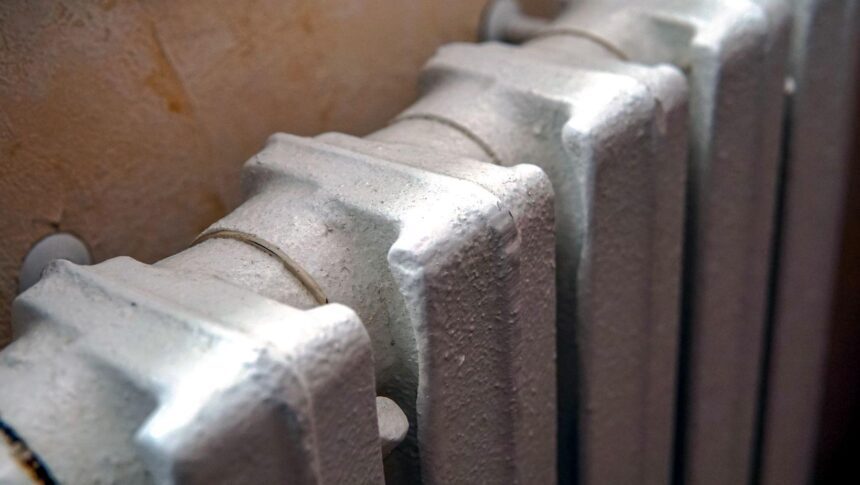
When planning a home interior, heating is often treated as a purely practical consideration. Walls, flooring, furniture, lighting and decorative accessories usually receive most of the attention, while radiators are expected to sit quietly in the background.
That approach is changing. Homeowners and interior designers are increasingly looking for heating solutions that contribute to the overall character of a room rather than simply providing warmth. Cast iron radiators are particularly interesting because they combine functional heating with a distinctive architectural appearance.
From traditional Victorian homes to contemporary renovations, these substantial fixtures can become an intentional part of an interior scheme. Their detailed designs, solid construction and range of finishes make them suitable for spaces where both comfort and visual character matter.
Why Are Cast Iron Radiators Popular in Interior Design?
The appeal of cast iron radiators goes beyond their association with older properties. Their proportions, column structures and decorative details can introduce texture and visual interest to a room.
Unlike a simple flat panel that may disappear into the background, a traditional cast iron radiator can become part of the room’s design language. It can complement existing architectural features such as fireplaces, sash windows, timber floors, exposed brick and decorative mouldings.
Cast iron also has useful thermal properties. It takes longer to warm than some lightweight radiator materials but can retain and release heat gradually, helping maintain a steady level of warmth after the heating system cycles.
This combination of appearance and function makes cast iron particularly attractive for homeowners who want their heating system to feel integrated into the interior rather than added as an afterthought.
Creating a Timeless Look With Traditional Radiators
One of the easiest ways to incorporate a cast iron radiator into an interior is to embrace its traditional character.
In period properties, ornate radiator designs can reinforce architectural details that are already present. A Victorian-style room with high ceilings, original woodwork and a traditional fireplace can benefit from a radiator that feels consistent with the age and character of the property.
However, the approach does not have to be historically strict. A traditional radiator can also be paired with modern furniture, contemporary artwork and simple lighting to create contrast.
This combination can prevent a room from feeling like a museum while still preserving some of its architectural personality.
Choosing the Right Style for Your Room
Cast iron radiators are available in numerous profiles and configurations, so choosing one should involve more than selecting a finish you like.
Start by considering the room’s existing proportions.
A low, wide radiator can work well beneath a window or along a longer wall. A taller model may be more suitable when horizontal wall space is limited. The height, number of sections and overall dimensions can all influence how the radiator fits into the room.
There are also differences in decorative detailing. Some designs have highly ornate features that suit traditional interiors, while simpler column styles can work well in transitional or contemporary spaces.
The goal is to select a radiator that feels proportionate to the room rather than one that overwhelms the surrounding furniture.
Make the Radiator a Design Feature
Instead of attempting to hide a cast iron radiator, consider making it part of the visual composition.
A radiator can become an attractive focal point when positioned carefully. For example, placing one beneath a large window can create symmetry, while a striking finish can draw attention to an otherwise understated wall.
Interior designers can also use colour to control how prominent the radiator appears. Matching it closely to the wall can create a more cohesive appearance, while a contrasting shade can make the radiator a deliberate decorative feature.
Modern cast iron radiator ranges can offer a wide selection of finishes and colours, making it easier to coordinate the heating element with an existing interior palette.
Cast Iron Radiators in Contemporary Interiors
Cast iron radiators are sometimes associated exclusively with Victorian or Edwardian homes, but they can work surprisingly well in modern spaces.
Consider a minimalist living room with neutral walls, natural timber and simple furniture. A dark cast iron radiator can introduce texture and visual weight without requiring additional decorative objects.
In an industrial-inspired interior, the material can complement exposed brick, metal details and reclaimed wood. In a modern farmhouse, a traditional radiator can work alongside natural fabrics and warm neutral colours.
The contrast between old-fashioned craftsmanship and contemporary design can actually make the interior more interesting.
Rather than asking whether a radiator looks modern enough, consider whether its shape, finish and proportions work with the other elements already present in the room.
Using Colour to Change the Overall Effect
Colour is one of the simplest ways to influence how a radiator interacts with an interior.
A neutral finish can allow the radiator’s shape to remain visible without dominating the space. Softer shades can help it blend with traditional interiors, while darker or more dramatic finishes can create a stronger focal point.
For a bold interior, a contrasting radiator can become almost sculptural. For a calmer design, selecting a colour close to the surrounding wall can create visual continuity.
This is particularly useful when renovating a room because the radiator does not necessarily have to dictate the rest of the colour scheme.
Consider the Room Before Choosing the Size
A beautiful radiator will not look right if its proportions are unsuitable for the space.
Before making a choice, consider the available wall area, window positions, furniture layout and required heat output. The radiator should have enough space around it for proper airflow and should not be obstructed by sofas, cabinets or other large pieces of furniture.
Heat requirements also matter. Room size, insulation, windows and ceiling height can influence the amount of heating required. A heating professional can help calculate the appropriate output rather than relying solely on appearance.
Cast iron radiators are available in different heights and section configurations, allowing homeowners to balance heating requirements with available wall space.
Think About Placement as Part of the Interior Plan
Radiator placement should ideally be considered at the beginning of a renovation rather than after the furniture has already been selected.
A radiator positioned beneath a window can contribute to a balanced room layout, while a taller model may work better on a narrow section of wall.
Furniture placement is equally important. Avoid positioning large pieces directly against the radiator because this can interfere with airflow and make the heating system less effective.
In smaller rooms, planning the radiator and furniture together can also help preserve valuable floor and wall space.
Are Cast Iron Radiators Suitable for Modern Homes?
Yes. Their traditional appearance does not prevent them from being used in contemporary properties.
Modern heating systems can be designed around cast iron radiators, provided the radiator is correctly sized and the system is properly configured. Their ability to retain heat can be particularly appealing to homeowners who prefer gradual, consistent warmth rather than rapid changes in room temperature.
However, there are practical considerations. Cast iron radiators are significantly heavier than many modern alternatives, s